Description
Silage Bags for Sale in Kenya
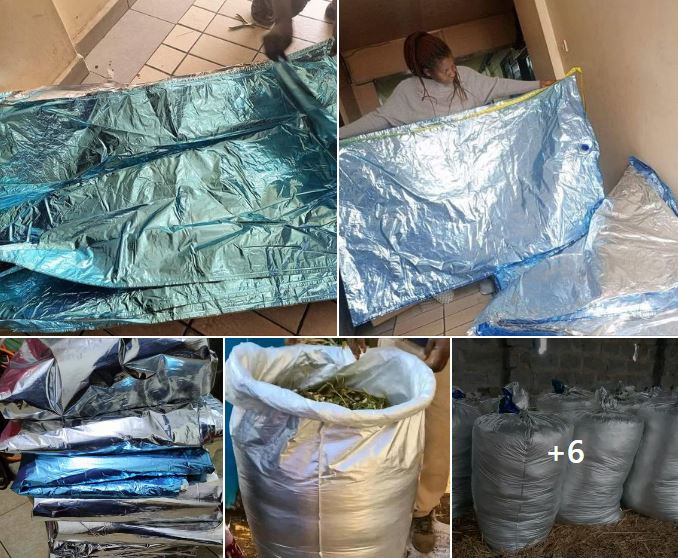
Store your livestock feed effectively with our quality silage bags, designed to preserve silage and maintain its nutritional value for extended periods. These silage storage bags provide an affordable and practical solution for farmers who want to prepare livestock feed for dry seasons and reduce feed shortages.
Suitable for maize silage, Napier grass silage, sorghum silage, and other fodder crops, these bags help farmers preserve valuable feed while minimizing wastage.
Silage Bag Product Details
- Size: 1 x 1.8 meters
- Capacity: Approximately 200–250kg depending on compaction
- Price: KSh 399 each
- Contact: 0795485349
- Delivery: Available nationwide across Kenya
Why Choose Our Silage Bags?
Silage is made from fermented green fodder crops and is an important feed source for cattle, goats, sheep, and other livestock. Proper storage helps maintain feed quality and ensures animals continue receiving nutritious feed even during periods when fresh forage is limited.
Our silage bags provide an affordable alternative to traditional silage storage systems while delivering reliable feed preservation results.
Suitable For
These silage bags are suitable for preserving:
- Maize silage
- Napier grass silage
- Sorghum silage
- Mixed fodder silage
- Dairy cattle farms
- Beef cattle farms
- Goat farms
- Sheep farms
By preserving livestock feed in advance, farmers can reduce wastage and prepare for dry seasons more effectively.
Key Benefits of Our Silage Bags
Durable and Reliable
Our silage bags are strong and designed to withstand normal farm use, helping protect silage from spoilage and contamination.
Large Storage Capacity
Each bag can hold approximately 200–250kg depending on compaction, allowing farmers to store significant quantities of feed efficiently.
Affordable Feed Storage
At only KSh 399 per bag, these silage bags provide a cost-effective solution for preserving livestock feed without investing in expensive storage structures.
Improved Feed Availability
Properly preserved silage helps ensure livestock continue receiving quality feed throughout the year, even during periods of feed scarcity.
Reduced Feed Wastage
Creating an airtight storage environment helps preserve nutrients and reduce losses caused by spoilage.
How to Make Silage Using Silage Bags
- Harvest quality fodder such as maize, Napier grass, or sorghum.
- Chop the fodder into small pieces.
- Fill the silage bag while compacting the material tightly to remove air.
- Seal the bag properly to create an airtight environment.
- Store the bag in a safe location away from damage.
- Allow fermentation to take place before feeding livestock.
Proper silage preparation helps preserve nutrients and provides livestock with quality feed during dry periods.
Plan Early to Avoid Feed Shortages
Farmers who prepare silage in advance are better positioned to maintain livestock productivity throughout the year. Preserving feed during periods of abundance helps reduce the effects of drought and seasonal feed shortages.
As the saying goes, “Make hay while the sun shines.” Secure your silage storage solution today and ensure your animals have access to quality feed when they need it most.
Frequently Asked Questions About Silage Bags
Are the silage bags brand new or used?
These silage bags are imported food-grade bags that were originally used for transporting fruit juice into Kenya. After cleaning and preparation, they are commonly used by farmers because they are durable, affordable, and suitable for silage preservation.
Are the silage bags safe for silage storage?
Yes. After cleaning and preparation, these food-grade bags are commonly used by farmers for silage preservation and livestock feed storage.
How many silage bags are needed for 1 acre of maize?
The number of silage bags required depends on maize yield, moisture content, and packing density. In many cases, 1 acre of maize can fill approximately 20–35 silage bags of 200–250kg capacity.
What is the process of making silage using these bags?
Silage is made by harvesting quality fodder such as maize, Napier grass, or sorghum, chopping it into small pieces, compacting it tightly inside the silage bag to remove air, sealing the bag properly, and allowing fermentation to occur before feeding livestock.
Why do farmers use silage bags?
Farmers use silage bags to preserve livestock feed, reduce feed shortages during dry seasons, minimize feed wastage, and maintain a reliable supply of quality animal feed throughout the year.
What crops can be used to make silage?
Common crops used for silage include maize, Napier grass, sorghum, and mixed fodder crops.
How much silage can one bag hold?
Each silage bag can typically hold approximately 200–250kg of silage depending on compaction and moisture content.
What is the price of silage bags in Kenya?
Our silage bags currently retail at KSh 399 each. Contact 0795485349 for current pricing, bulk orders, and delivery arrangements.
Do you offer delivery across Kenya?
Yes. We offer nationwide delivery across Kenya.
Why is silage important for livestock farming?
Silage helps farmers preserve nutritious livestock feed during periods of abundance so that animals continue receiving quality feed during dry seasons, droughts, and periods of forage shortage.

Reviews
There are no reviews yet.