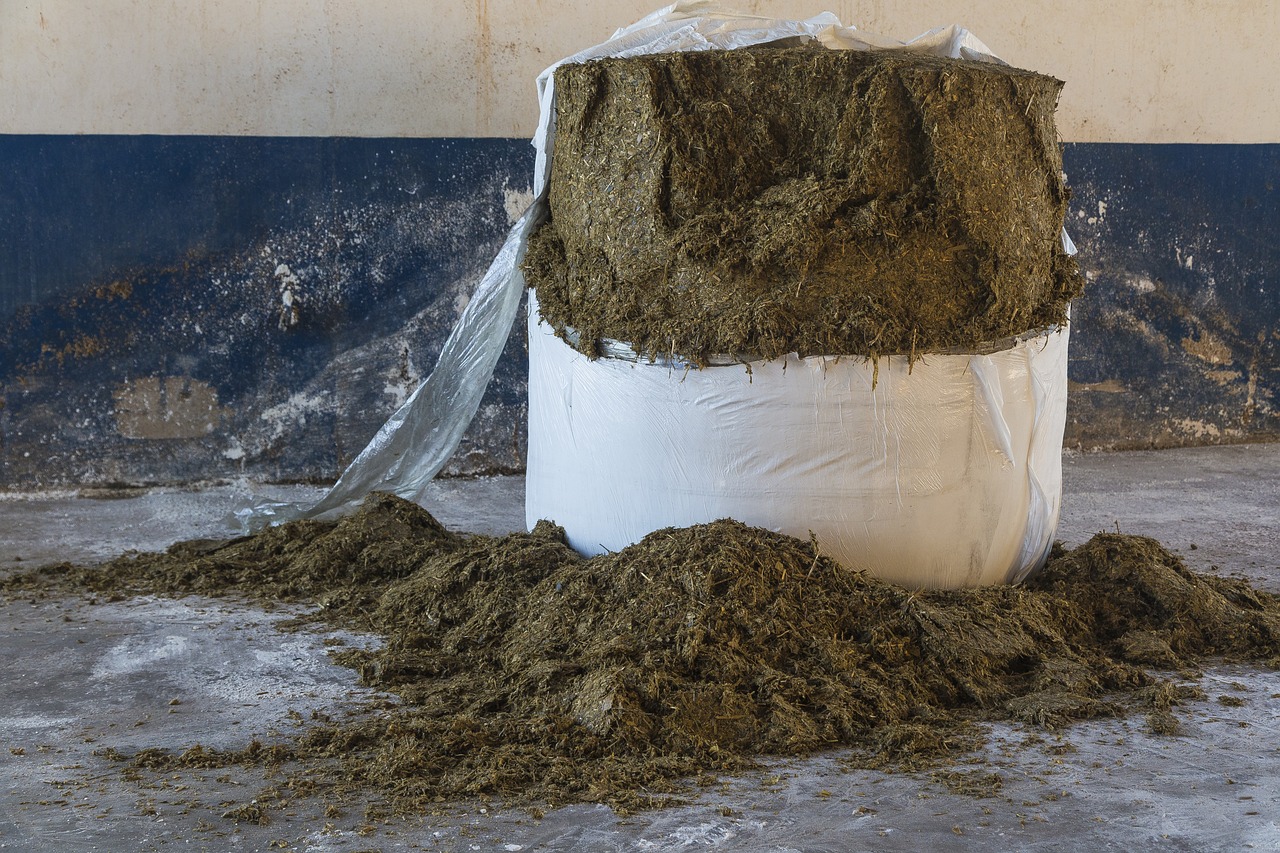
HOW TO CHOOSE SILAGE BAGS FOR YOUR FARM IN KENYA AND WHAT TO LOOK FOR
Silage bags have become very popular among farmers in Kenya because they make silage storage easier, cleaner, and more flexible than traditional pits. Whether you are a dairy farmer or a beef fattening farmer, choosing the right silage bags is important for feed quality and to reduce losses. This guide explains how to choose silage bags for your farm Kenya and what to consider before buying.
WHY SILAGE BAGS ARE IMPORTANT FOR KENYAN FARMERS
Many farmers in Kenya are now shifting from silage pits to silage bags because bags are easier to use, take less labour, and prevent spoilage. Silage bags also allow farmers with small farms or rented land to store silage without digging pits. Good silage bags protect your feed from air, rainwater, pests, and contamination. They support the fermentation process and ensure the silage stays fresh and nutritious throughout storage.
FACTORS TO CONSIDER WHEN CHOOSING SILAGE BAGS
The type of silage bag you choose directly affects feed quality. Below are the most important things to look for when selecting silage bags in Kenya.
BAG THICKNESS AND STRENGTH
The thickness of the bag is one of the biggest indicators of quality. Choose silage bags with a thickness of at least 150 to 250 microns. Thicker bags resist punctures from stones, sticks, or accidental handling during filling and storage. Thin bags tear easily, allowing air to enter and spoil the silage.
TYPE OF MATERIAL USED
Most quality silage bags are made from polyethylene. Look for bags made from strong, food-grade polyethylene that can handle pressure during compaction. The material should be UV treated to protect the silage from sunlight, especially for farmers who store bags outdoors. UV-treated material also prevents the plastic from becoming brittle.
BAG SIZE AND CAPACITY
Choose bag sizes that match your feeding needs and storage space. Common sizes include small bags of 50 to 100 kilograms for small-scale farmers and larger bags of 200 to 500 kilograms for medium and large farms. Small bags are best if you want to remove small amounts daily. Large bags allow bulk storage but require more labour during handling.
AIR-TIGHT SEALING
A good silage bag should be easy to seal tightly. Air entering the bag leads to mould, foul smell, and loss of nutrients. Look for bags with wide openings and strong sealing features. Some farmers use cable ties, rope, or heat sealers to close the bags tightly.
MOISTURE RESISTANCE
Silage spoils when too much rainwater or ground moisture enters the bag. Choose bags with moisture-resistant material. If your farm is in a wet area, use heavy-duty bags that are less likely to absorb or leak moisture. Moisture-resistant silage bags help keep fermentation stable and prevent rotting.
UV PROTECTION
The sun is one of the biggest threats to silage bags stored outside. UV rays weaken plastic, causing cracks. That is why you should choose bags with UV stabilizers. These bags last longer and offer better protection for your feed. UV-protected bags are especially important for farmers in hot regions of Kenya like Ukambani, Rift Valley lowlands, and parts of Central Kenya.
EASE OF HANDLING
Choose bags that are easy to move around the farm. Bags with strong walls are easier to stack and transport. Lightweight but durable material makes the filling process faster and reduces the risk of tearing.
AVAILABILITY AND COST
Silage bags are available in agrovet shops, farm supply stores, and online farm equipment shops. Compare prices and choose a bag that offers a balance between cost and durability. Very cheap bags are often thin and lead to losses when they tear or leak air. Instead of focusing only on price, prioritize quality.
HOW TO KNOW A GOOD SILAGE BAG WHEN BUYING
There are simple checks every Kenyan farmer can do:
Check the thickness by pressing the material. Strong bags feel dense.
Hold the bag up to the light. If too much light passes through, it is thin.
Smell the plastic. Strong quality plastic should not have a chemical smell.
Look for UV treatment labels.
Try stretching the bag gently. Weak bags stretch easily or tear.
Check for reinforced seams.
BENEFITS OF USING QUALITY SILAGE BAGS IN KENYA
Good silage bags reduce wastage. They maintain the right fermentation conditions, ensure better energy content in the feed, and allow long-term storage without spoilage. Bags also improve flexibility because you can store them anywhere: in the shed, under shade, or even in the open field if UV-protected.
COMMON MISTAKES FARMERS MAKE WHEN CHOOSING SILAGE BAGS
Many farmers choose thin plastic bags because they are cheap. Others store silage bags in direct sunlight, causing cracking. Some overfill bags until they burst. Others fail to seal properly, letting in oxygen and ruining the feed. Avoid these mistakes to ensure high quality silage.
FINAL TIPS FOR FARMERS
Choose thick UV-treated bags.
Handle bags carefully during filling and sealing.
Store bags in shade if possible.
Do not drag bags on rough ground.
Open one bag at a time during feeding.
CONCLUSION
Understanding how to choose silage bags for your farm Kenya is essential for proper silage storage. Quality bags protect feed, support healthy fermentation, and reduce losses. By focusing on thickness, material, UV protection, sealing strength, and size, farmers can ensure they store clean and nutritious silage for their cattle. Choosing the right silage bag improves feed quality and ultimately boosts milk production or weight gain.
Useful information
Very nice information and educative.