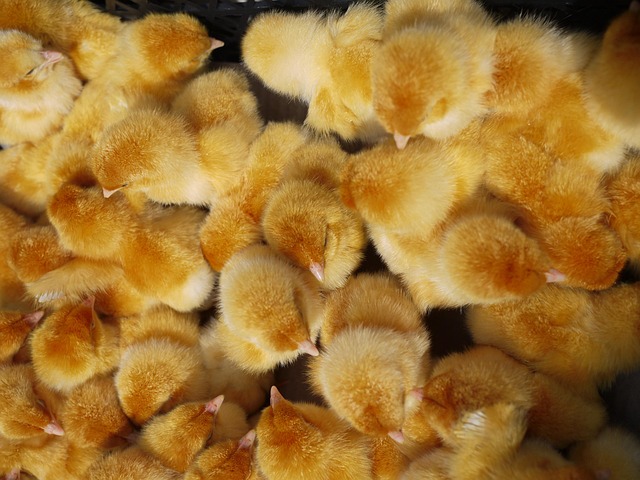
Best Gas Brooders for Poultry Farmers in Nairobi County
Brooding is one of the most critical stages in poultry farming. For farmers in Nairobi County, where temperatures can fluctuate, especially at night, providing consistent warmth for day-old chicks is essential. Gas brooders have become a preferred choice for many poultry farmers because they offer reliable heat, efficiency, and scalability.
This guide explains why gas brooders are ideal for Nairobi County farmers, how they work, the types available, and how to choose the best one for your poultry farm.
Why brooding is critical in poultry farming
Chicks cannot regulate their body temperature during the first few weeks of life. Without proper warmth, they become stressed, stop feeding, and may die.
Proper brooding:
Improves chick survival
Encourages early feeding and drinking
Reduces disease risk
Promotes uniform growth
Using the right brooder ensures chicks get the correct temperature from day one.
Why gas brooders are popular in Nairobi County
Gas brooders are widely used by poultry farmers in Nairobi County for several reasons:
Provide consistent heat regardless of electricity outages
Suitable for both small and large flocks
Easy to control temperature
Cost-effective over time
Ideal for urban and peri-urban farming setups
Compared to bulb brooders, gas brooders are more reliable, especially for farmers managing large numbers of chicks.
How gas brooders work
Gas brooders use LPG gas to produce heat. The heat spreads evenly beneath a metal or ceramic canopy, creating a warm brooding area for chicks.
Key components include:
Gas burner
Heat reflector or canopy
Regulator and hose
Control valve
Proper setup ensures safe and even heat distribution.
Types of gas brooders used in Kenya
5.1 Manual gas brooders
These require manual adjustment of the flame. They are affordable and suitable for small-scale farmers.
5.2 Automatic gas brooders
These regulate temperature automatically using thermostats. They are ideal for medium to large-scale poultry farms.
Both types are available in Kenya, depending on farm size and budget.
Choosing the right gas brooder size
Selecting the correct size is crucial.
General guideline:
Small brooder: 200–300 chicks
Medium brooder: 500–1,000 chicks
Large brooder: 1,500+ chicks
Overcrowding under a brooder leads to uneven heating and increased mortality.
Features of a good gas brooder
When buying a gas brooder, consider the following features:
Even heat distribution
Strong metal construction
Adjustable flame control
Easy installation
Safety features such as flame protection
Quality gas brooders from trusted suppliers last longer and provide better performance.
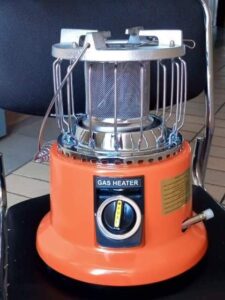
Gas brooders vs bulb brooders
Many farmers wonder whether to use gas or bulb brooders.
Gas brooders:
Suitable for large flocks
Lower long-term cost
More reliable heat
Bulb brooders:
Cheaper initial cost
Suitable for very small flocks
Depend on electricity
For Nairobi County farmers managing over 200 chicks, gas brooders are generally the better option.
Safety tips when using gas brooders
Safety is critical when working with gas equipment.
Ensure proper ventilation
Check gas hoses regularly for leaks
Use quality regulators
Keep flammable materials away
Train workers on safe operation
Following safety practices protects both chicks and farm workers.
Gas consumption and cost management
Gas brooders are efficient when used correctly.
Tips to reduce gas consumption:
Insulate poultry houses properly
Reduce brooding area gradually as chicks grow
Maintain recommended temperatures
Avoid overheating
Efficient use of gas reduces operational costs and improves profitability.
Recommended gas brooders for Nairobi farmers
Farmers in Nairobi County should choose brooders designed for Kenyan conditions.
Gas brooders from Mkulima Jovial are:
Durable
Easy to use
Suitable for different flock sizes
Designed for efficient heat distribution
These brooders support high chick survival and uniform growth.
When to stop using a gas brooder
Chicks require brooding for:
3–4 weeks in warm conditions
Up to 6 weeks in colder periods
Signs chicks no longer need a brooder:
They spread evenly in the house
No huddling at night
Active feeding and drinking
Gradual reduction of heat prevents stress.
Common mistakes to avoid
Overheating chicks
Under-heating due to gas shortage
Poor ventilation
Using the wrong brooder size
Ignoring chick behavior
Observing chicks is the best way to monitor brooding success.
Practical tips for Nairobi County farmers
Set up brooders 24 hours before chick arrival
Use chick guards during the first week
Monitor temperatures daily
Combine gas brooders with proper feeders and drinkers
Keep records of gas usage and chick performance
These practices improve brooding efficiency.
Conclusion
Gas brooders are a reliable and efficient solution for poultry farmers in Nairobi County. They provide consistent warmth, reduce chick mortality, and support healthy growth during the critical early weeks.
By choosing the right size, maintaining safety, and using quality equipment such as gas brooders, feeders, drinkers, and egg trays, farmers can significantly improve poultry farm performance and profitability.