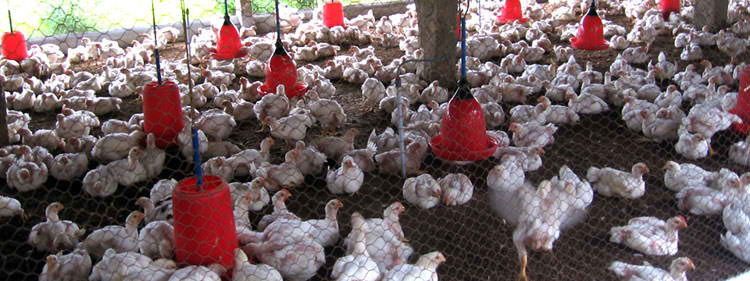
How Poultry Equipment Affects Profitability in Poultry Farming
In poultry farming, profitability does not only depend on the number of birds or the quality of feed. Proper poultry equipment plays a crucial role in ensuring healthy birds, efficient management, and reduced losses. For farmers in Kenya, choosing the right equipment can mean the difference between a profitable farm and one that struggles to break even.
This guide explains how different types of poultry equipment affect productivity, reduce costs, and ultimately increase profitability for both small-scale and commercial farmers.
2. The role of equipment in reducing losses
Proper poultry equipment helps minimize:
Chick mortality: Brooders keep young chicks warm, reducing deaths
Feed wastage: Feeders prevent spillage and contamination
Water loss: Drinkers ensure birds get clean water without excessive spillage
Egg breakage: Proper egg trays protect eggs during collection and transport
Every loss avoided translates directly into higher profits.
3. Feeders and profitability
Feeding is one of the largest costs on a poultry farm. Using efficient feeders:
Ensures birds have access to feed at all times
Prevents overcrowding and fights at feeding points
Reduces wastage by up to 20–30%
In Kenya, farmers using quality chicken feeders report lower feed costs and healthier birds, which improves weight gain and egg production, directly boosting revenue.
4. Drinkers and profitability
Clean water is essential for growth and egg production. Efficient drinkers:
Prevent spillage that can wet litter, reducing disease risk
Minimize water wastage, lowering operational costs
Improve bird hydration, leading to better growth and egg quality
Investing in high-quality poultry drinkers ensures healthy flocks and reduces veterinary costs.
5. Brooders and profitability
The first weeks of a chick’s life are critical. Proper brooders:
Maintain consistent temperatures
Reduce stress and prevent chick mortality
Encourage early feeding and rapid growth
Chick mortality in small farms without proper brooders can reach 10–30%, while proper brooding can reduce losses to below 5%, improving farm profitability.
6. Housing and equipment for comfort
Good poultry housing with proper equipment:
Protects birds from predators and harsh weather
Reduces disease outbreaks through better ventilation
Supports uniform growth and egg production
Investing in durable housing equipment may increase initial costs, but it saves money in the long term by reducing bird losses and improving production.
7. Egg handling equipment
For layer farmers, egg trays and collection tools are vital for profitability:
Prevent breakages during collection and transport
Maintain egg hygiene, reducing contamination
Facilitate grading and organization for the market
Using quality egg trays ensures farmers can sell eggs at higher prices due to fewer damaged eggs and better presentation.
8. Cleaning and hygiene equipment
Poor hygiene can result in disease outbreaks, which are costly to manage. Cleaning and disinfection equipment:
Reduces parasite infestations and bacterial infections
Minimizes veterinary bills
Improves survival rates and overall flock health
Healthy flocks produce more meat and eggs, which increases income.
9. Time-saving equipment increases profitability
Investing in proper equipment saves labor:
Automatic feeders and drinkers reduce manual work
Gas brooders reduce constant monitoring
Proper nesting boxes make egg collection faster
Time saved allows farmers to manage larger flocks efficiently, increasing overall production and profits.
10. Quality vs cost: Why investing matters
Many farmers hesitate to invest in quality equipment, choosing cheaper alternatives. However:
Low-quality feeders break easily, wasting feed
Paper egg trays get damaged quickly
Bulb brooders can be unreliable, increasing chick mortality
Investing in durable feeders, drinkers, brooders, and egg trays may cost more upfront but ensures higher long-term returns.
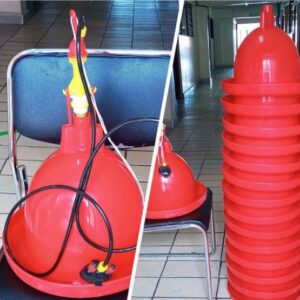
11. Equipment for small-scale vs commercial farms
11.1 Small-scale farms
Focus on essential equipment: feeders, drinkers, and basic brooders
Use paper or reusable plastic egg trays
Prioritize cost-effective and durable solutions
11.2 Commercial farms
Use larger, automated feeders and drinkers
Gas or electric brooders for large flocks
High-quality plastic egg trays and transport crates
Regardless of farm size, the right equipment ensures birds are healthy, productive, and profitable.
12. Practical tips for Kenyan farmers
Match equipment to flock size
Maintain and clean equipment regularly
Monitor bird behavior to ensure equipment is working effectively
Replace damaged trays, feeders, or drinkers promptly
Train farm staff on proper equipment use
These simple practices improve flock performance and reduce unnecessary costs.
13. Case example: Profit improvement with good equipment
A small-scale layer farmer in Nairobi County upgraded from basic feeders and paper egg trays to durable plastic feeders and trays. Within three months:
Feed wastage reduced by 25%
Chick mortality dropped by 15%
Egg breakages decreased from 12% to 3%
The improved efficiency directly increased monthly profits, showing the clear link between quality equipment and profitability.
14. Conclusion
Investing in the right poultry equipment is not optional—it is essential for profitability. From feeders, drinkers, and brooders to egg trays and cleaning tools, proper equipment ensures healthy birds, reduces losses, and increases productivity.
Small-scale and commercial farmers in Kenya can achieve higher returns by selecting durable, hygienic, and appropriate poultry equipment and maintaining it properly. A well-equipped farm is a profitable farm.