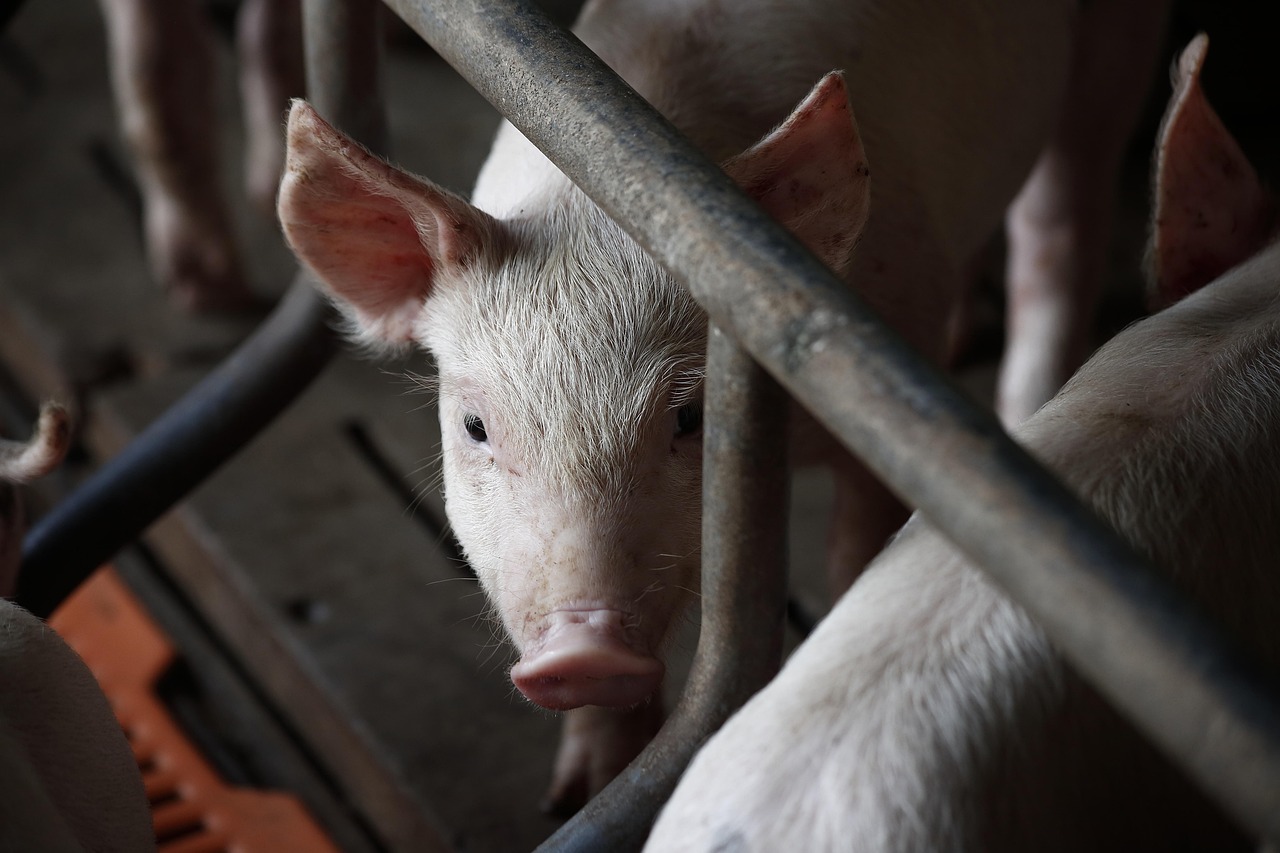
How to Raise Piglets from Weaning to Finishing in Kenya
Raising piglets from weaning to finishing is a critical stage in pig farming in Kenya. Proper management during this period ensures healthy growth, reduces mortality, and maximizes profits for smallholder farmers. This comprehensive guide provides step-by-step instructions on feeding, housing, health care, and overall management of piglets until they reach market weight.
Understanding the Weaning Stage
Weaning typically occurs when piglets are 4–8 weeks old, depending on the breed and management system. At this stage, piglets transition from mother’s milk to solid feed. Proper care during weaning is crucial because piglets are vulnerable to stress, diseases, and growth setbacks.
Step 1: Provide Appropriate Housing
Piglets need a clean, dry, and well-ventilated environment. A weaner pen should be separate from adult pigs to prevent disease transmission. Use slatted floors or concrete with bedding such as sawdust or straw to keep piglets dry. Ensure the pen is warm, especially during cooler months, as piglets are sensitive to temperature changes.
Step 2: Feeding Piglets after Weaning
After weaning, piglets require highly digestible, energy-rich feed to support rapid growth. Begin with a commercial weaner mash containing 20–24% protein, vitamins, and minerals. Feed small quantities multiple times a day to encourage intake. Fresh clean water must always be available. Gradually transition piglets to grower feed as they approach 8–12 weeks old.
Step 3: Gradual Transition to Grower Feed
Around 8–12 weeks, switch piglets from weaner mash to grower feed, which typically has 18–20% protein. This feed supports continued growth and prepares the pigs for the finishing stage. Mix the new feed with the old feed for a few days to avoid digestive upset. Maintain a consistent feeding schedule to promote healthy growth.
Step 4: Health Management and Vaccination
Piglets are highly susceptible to diseases after weaning. Work with a veterinarian to vaccinate against common illnesses such as:
* Swine fever
* Pasteurellosis
* Erysipelas
* Coccidiosis
Deworm piglets regularly and monitor for signs of diarrhea, coughing, or lethargy. Isolate sick pigs promptly to prevent disease spread. Good hygiene, clean water, and proper waste management are essential in reducing disease risks.
Step 5: Environmental and Temperature Control
Piglets require a warm and draft-free environment. Use heat lamps or warming pads in the weaner pen during cold weather. Ensure good ventilation to remove excess moisture and ammonia from pig pens. Proper temperature and ventilation reduce stress and improve feed efficiency.
Step 6: Monitoring Growth and Feed Conversion
Track the weight and growth of each piglet to ensure they are gaining at the expected rate. Healthy piglets should gain approximately 250–300 grams per day during the weaning to grower phase and 500–700 grams per day during finishing. Adjust feed quantity and quality if growth slows.
Step 7: Transition to Finishing Feed
Around 4–5 months of age, piglets are ready for finishing feed. Finisher rations typically have 16–18% protein with high energy content to support muscle development and fat deposition. Feed twice a day or more depending on your management system. Maintain clean water supply at all times.
Step 8: Biosecurity and Farm Hygiene
To prevent disease outbreaks, implement strict biosecurity measures. Limit access to pig pens, disinfect boots and equipment, and avoid contact between piglets and unknown pigs. Regularly clean pens and remove waste to reduce the risk of infections.
Step 9: Record Keeping
Keep detailed records of each piglet, including weaning date, vaccination schedule, feed intake, growth rates, and any health issues. Record-keeping helps identify underperforming pigs and supports better management decisions.
Step 10: Marketing and Preparing for Sale
Piglets raised properly from weaning to finishing will reach market weight (approximately 90–120 kg) in 6–8 months. Identify buyers in advance, including local markets, butcheries, or processing companies. Ensure pigs are healthy and properly fed to maximize profit.
Additional Tips for Smallholder Farmers in Kenya
* Start with disease-free piglets from reputable breeders.
* Maintain a consistent feeding schedule to reduce stress.
* Use high-quality feed and avoid sudden changes in diet.
* Provide clean water and shade to prevent heat stress.
* Consider using equipment like feeders and drinkers that reduce waste and improve hygiene.
Conclusion
Raising piglets from weaning to finishing in Kenya requires careful planning, proper feeding, housing, and health management. By following these steps, smallholder farmers can reduce piglet mortality, improve growth rates, and achieve a profitable pig farming business. Consistency, hygiene, and monitoring are the keys to raising healthy pigs ready for market while ensuring sustainability and long-term farm success.