HOW TO MAKE SILAGE FOR BEEF CATTLE IN KENYA STEP BY STEP
Silage is one of the most important feeds for beef cattle farmers in Kenya. It helps farmers maintain a reliable supply of high energy feed during dry seasons while reducing feeding costs. Because beef cattle require high energy to grow faster and gain weight, silage plays a major role in improving fattening results. This guide explains how to make silage for beef cattle Kenya using simple and affordable methods.
WHAT SILAGE IS AND WHY IT IS IMPORTANT
Silage is fermented green fodder stored in airtight conditions. It has high energy and is easy for cattle to digest. The fermentation process preserves the feed for many months without spoilage. Silage helps beef farmers in Kenya maintain consistent feeding even when pasture is dry or scarce. It also increases daily weight gain, improves rumen health, and reduces feeding expenses.
BEST CROPS FOR SILAGE MAKING IN KENYA
Farmers in Kenya commonly use maize, Napier grass, sorghum, and Sudan grass. Maize is the most preferred option because it has high starch content that gives cattle more energy. Napier grass also produces good silage when harvested at the right stage. Choosing the right crop is the first step to successful silage making.
STEP 1: HARVEST THE FORAGE AT THE RIGHT STAGE
For maize silage, harvest when the crop reaches the dough stage. At this point, the kernels are firm but not fully hard, and the plant contains about thirty to thirty five percent dry matter. This moisture level is perfect for fermentation. For Napier grass silage, harvest grass that is three to four feet tall. Young Napier has higher nutrients and is easier for cattle to digest.
STEP 2: CHOP THE CROP INTO SMALL PIECES
Chop all forage into one to two centimetre pieces. Smaller pieces are easier to compact and reduce the amount of trapped air. Use a chaff cutter for uniform chopping. The more uniform the particles, the better the fermentation process.
STEP 3: PREPARE THE SILAGE PIT OR CONTAINER
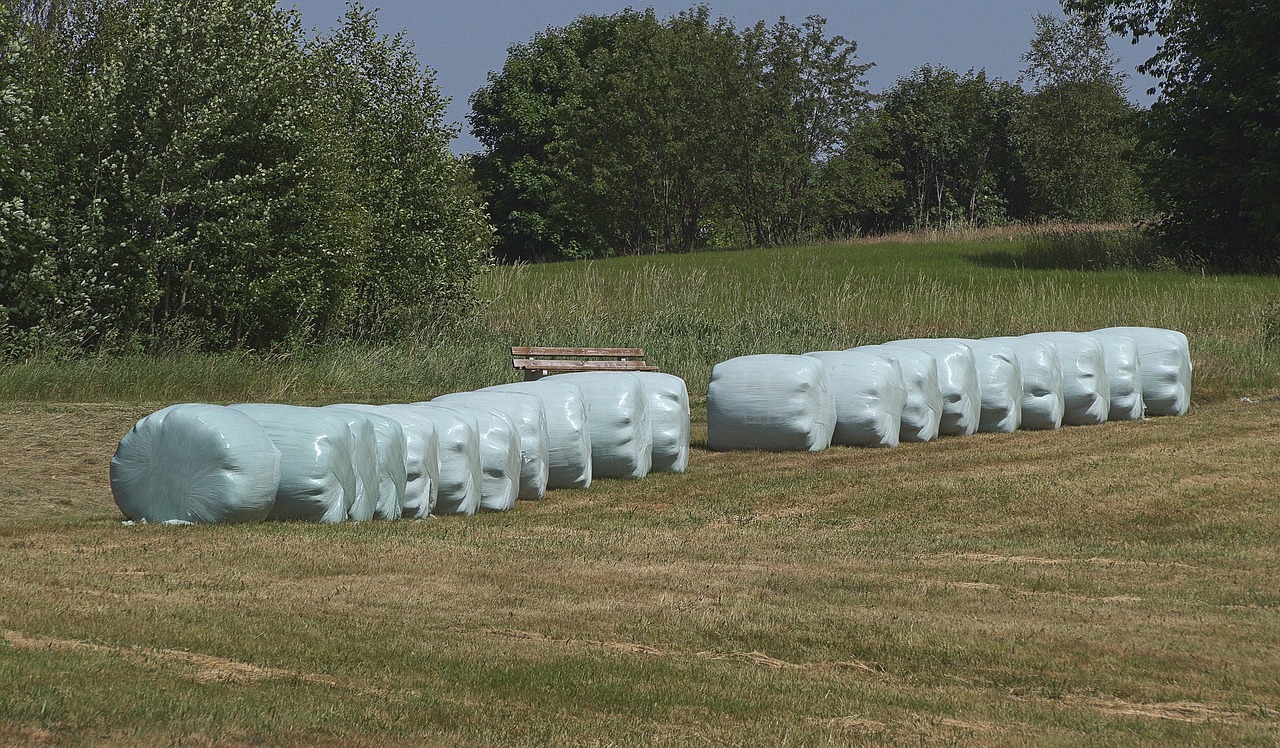
You can use a pit silo, trench silo, plastic drums, or silage bags depending on the size of your farm. A common pit size for small and medium farms is three metres by one point five metres by one point five metres. Ensure the pit is clean. Line it with a strong silage polythene sheet to prevent soil contamination and moisture loss.
STEP 4: ADD MOLASSES TO IMPROVE FERMENTATION
Molasses improves the fermentation process and boosts energy levels in the silage. Mix one litre of molasses with three litres of clean water. Sprinkle this mixture lightly on every layer of chopped forage as you fill the pit. Molasses helps bacteria ferment the silage properly, resulting in a sweet smell and good colour.
STEP 5: FILL THE PIT IN LAYERS AND COMPACT WELL
Fill the pit quickly. Add forage in twenty to thirty centimetre layers and compact each layer firmly. You can use your feet, a drum, or a heavy object for compaction. Removing air is the most important step in silage making. The more airtight the pit is, the better the fermentation and feed quality.
STEP 6: SEAL THE PIT AIRTIGHT
After filling the pit to the top, cover it with a polythene sheet. Use soil, tyres, or heavy stones to hold the sheet down. Make sure no air can enter the pit. Poor sealing leads to rot and low quality silage.
STEP 7: ALLOW THE SILAGE TO FERMENT
Silage should ferment for twenty one to thirty days. During this time, do not open the pit. After fermentation, good silage should have a sweet smell and a yellowish green colour. If it smells rotten or has mould, it is of poor quality and should not be fed to cattle.
STEP 8: FEEDING SILAGE TO BEEF CATTLE
Beef cattle can eat twenty five to thirty five kilograms of silage per day depending on size. For maximum weight gain, combine silage with protein sources such as cottonseed cake, lucerne, sunflower cake, or formulated cattle fattening meal. Ensure cattle always have access to clean drinking water and mineral supplements. Keep their environment calm because stress reduces feed conversion efficiency.
TIPS TO IMPROVE SILAGE QUALITY
Harvest crops at the correct stage. Chop into uniform small pieces. Use molasses for better fermentation. Seal the pit tightly so no air enters. When feeding, open only one side and remove a thin layer daily. These small practices help maintain high quality silage for longer periods.
CONCLUSION
Understanding how to make silage for beef cattle Kenya is one of the best skills for any farmer who wants to improve cattle fattening results. Proper silage making ensures a constant supply of nutritious feed throughout the year. With correct harvesting, chopping, compacting, sealing, and feeding, Kenyan farmers can significantly increase weight gain while reducing feeding costs.
Which maize variety is best to grow for cow feed silage?
Which maize variety is best to grow in Kenya and make silage for cow feed silage?