
Understanding poultry farming in Kenya
Poultry farming involves keeping chickens for meat, eggs, or both. In Kenya, poultry farming is popular because chickens grow fast and there is constant demand for eggs and meat. Farmers can start on a small scale and expand with time.
Success in poultry farming depends on good planning, proper equipment, and daily management.
Choosing the right type of poultry farming
Before buying chicks, decide which type of poultry farming you want to do.
Broiler farming is for meat production. Broilers mature within five to seven weeks and are suitable for farmers who want quick returns.
Layer farming is for egg production. Layers begin laying eggs at around eighteen to twenty weeks and provide daily income over a long period.
Beginners should choose one type and avoid mixing broilers and layers.
Planning and budgeting
Proper planning helps prevent losses. Your budget should cover day-old chicks, poultry housing, feeders and drinkers, feed for at least the first four weeks, a brooding heat source, and vaccination.
Starting without enough capital for the first month often leads to failure.
Preparing a poultry house
A good poultry house protects birds from weather, predators, and disease. It should be dry, well ventilated, and easy to clean.
Before chicks arrive, clean and disinfect the house, spread clean litter such as wood shavings, and position feeders and drinkers correctly.
Getting the right poultry equipment
Good equipment improves feeding and bird health.
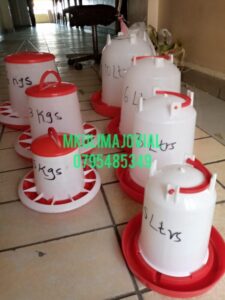
Every beginner needs chicken feeders and drinkers that suit the age of the birds. A brooder is required for warmth, and layer farmers will also need egg trays.
Using proper chicken feeders and drinkers reduces feed wastage and contamination.
Brooding day-old chicks
Brooding is the most critical stage in poultry farming.
Chicks need warmth for the first two to three weeks. Crowding under the heat source means they are cold, while spreading too far means it is too hot.
Bulbs, charcoal brooders, or gas brooders can be used. Gas brooders provide steady heat and help reduce chick mortality when used correctly.
Feeding and water management
Feed and water must always be available.
Use chick mash during the early stage. Feed should be clean, dry, and changed regularly. Avoid sudden feed changes.
Water should be clean, and drinkers must be washed daily. Wet litter should be removed immediately.
Disease prevention and hygiene
Preventing disease is cheaper than treatment.
Follow vaccination schedules, limit visitors, clean feeders and drinkers daily, and remove wet litter quickly.
Good hygiene keeps chickens healthy and productive.
Record keeping and daily observation
Records help farmers track performance.
Keep records of feed consumption, bird numbers, deaths, vaccinations, and egg production for layers.
Observe birds daily. Changes in behavior or appetite often signal problems early.
Common mistakes beginners should avoid
Many beginners fail due to overcrowding, poor brooding temperature, low-quality equipment, poor hygiene, and inadequate feeding.
Avoid shortcuts. Consistency and discipline are essential.
Conclusion
Poultry farming in Kenya can be profitable when done correctly. Success starts with proper planning, good housing, correct equipment, and careful management during the first weeks.
Investing in reliable feeders, drinkers, brooders, and egg trays helps reduce losses and improve productivity. Starting right gives your poultry farm a strong foundation.
I would like to learn more from you, by the way I appreciate the advices given to us
I would like to learn more from you, by the way I appreciate the advices given to us.