Common mistakes new poultry farmers make in the first 30 days
The first 30 days are the most critical in poultry farming. Many new poultry farmers in Kenya lose chicks, feed, and money because of mistakes that could be easily avoided.
This guide explains the most common errors beginners make and how to prevent them, ensuring your chicks grow healthy and your farm remains profitable.
Mistake 1: Poor poultry house preparation
Many beginners bring day-old chicks into houses that are not clean, dry, or warm.
A poorly prepared poultry house increases the risk of disease, stress, and early chick mortality.
Before bringing chicks, ensure the house is clean, disinfected, secure, and properly heated.
Mistake 2: Incorrect brooding temperature
Chicks cannot regulate their body temperature during the first few weeks.
Too much heat causes them to spread away from the heat source, while too little heat causes them to crowd and become stressed.
Using a reliable brooder, such as a gas brooder or bulb, and monitoring the temperature closely is essential.
Mistake 3: Overcrowding
Placing too many chicks in a small space is a common beginner mistake.
Overcrowding leads to competition for feed and water, poor growth, and increased disease risk.
Provide enough space according to recommended stocking density for chicks, growers, and layers.
Mistake 4: Poor feeding and water management
Feed and water are the foundation of healthy growth.
Beginners often provide the wrong type of feed, dirty water, or insufficient access to feeders and drinkers.
Use age-appropriate feed, clean feeders and drinkers, and ensure all chicks can reach food and water easily.
Mistake 5: Using low-quality equipment
Cheap or broken feeders, drinkers, and brooders increase feed wastage and stress in chicks.
Investing in reliable chicken feeders and drinkers improves feed efficiency, reduces losses, and supports healthy growth.
Mistake 6: Ignoring hygiene and biosecurity
New farmers sometimes neglect cleaning and disinfecting the house, and allow unnecessary visitors.
Poor hygiene increases the risk of common poultry diseases in Kenya, such as Newcastle disease and coccidiosis.
Always maintain clean litter, wash feeders and drinkers daily, and limit access to the poultry house.
Mistake 7: Inadequate record keeping
Many beginners do not keep records of feed usage, chick mortality, or vaccinations.
Without records, it is difficult to track growth or detect problems early.
Simple daily records help you manage the farm effectively and make better decisions.
Mistake 8: Ignoring vaccination schedules
Some new farmers skip or delay vaccinations due to lack of knowledge or cost concerns.
Vaccination in the first 30 days protects chicks from major diseases. Always follow a proper vaccination schedule recommended by veterinary professionals.
Mistake 9: Poor observation of chicks
Beginners often fail to notice early signs of stress or disease.
Check chicks daily for appetite, movement, feather condition, and overall behavior. Early detection of problems prevents losses and improves growth.
Mistake 10: Rushing expansion
Many new farmers try to increase flock size too quickly before mastering basic management.
Rushing expansion without experience can magnify mistakes, increase losses, and reduce profits. Focus on raising one batch successfully before scaling.
Conclusion on Common mistakes new poultry farmers make in the first 30 days
The first 30 days set the foundation for your poultry farm’s success. Avoiding common beginner mistakes in housing, brooding, feeding, equipment, hygiene, record keeping, and vaccination ensures healthy growth and reduces losses.
Investing time and resources correctly during this period makes your poultry farm more profitable and sustainable. Using proper chicken feeders, drinkers, and brooders helps support healthy chicks and gives you the best start in poultry farming in Kenya.
Image ALT text suggestions
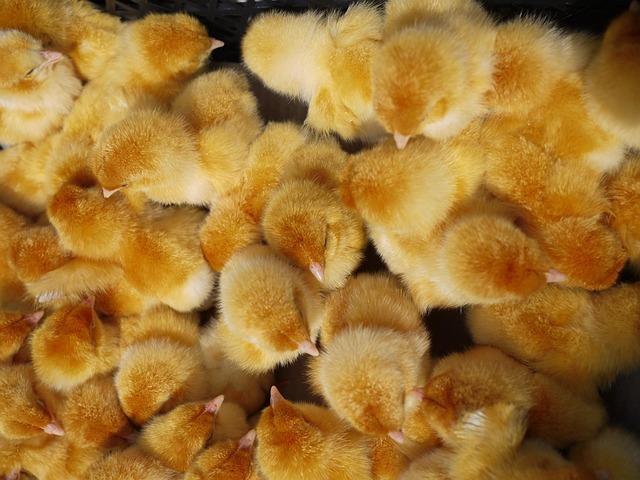
Day-old chicks in a properly prepared poultry house in Kenya
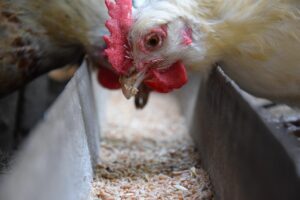
Beginners monitoring chicks and checking feeders in a poultry farm
A really good blog and me back again.
Thanks for sharing