
- March 17, 2026
- Mkulima Jovial
- 0
Best Poultry Equipment for Small-Scale Farmers in Kenya
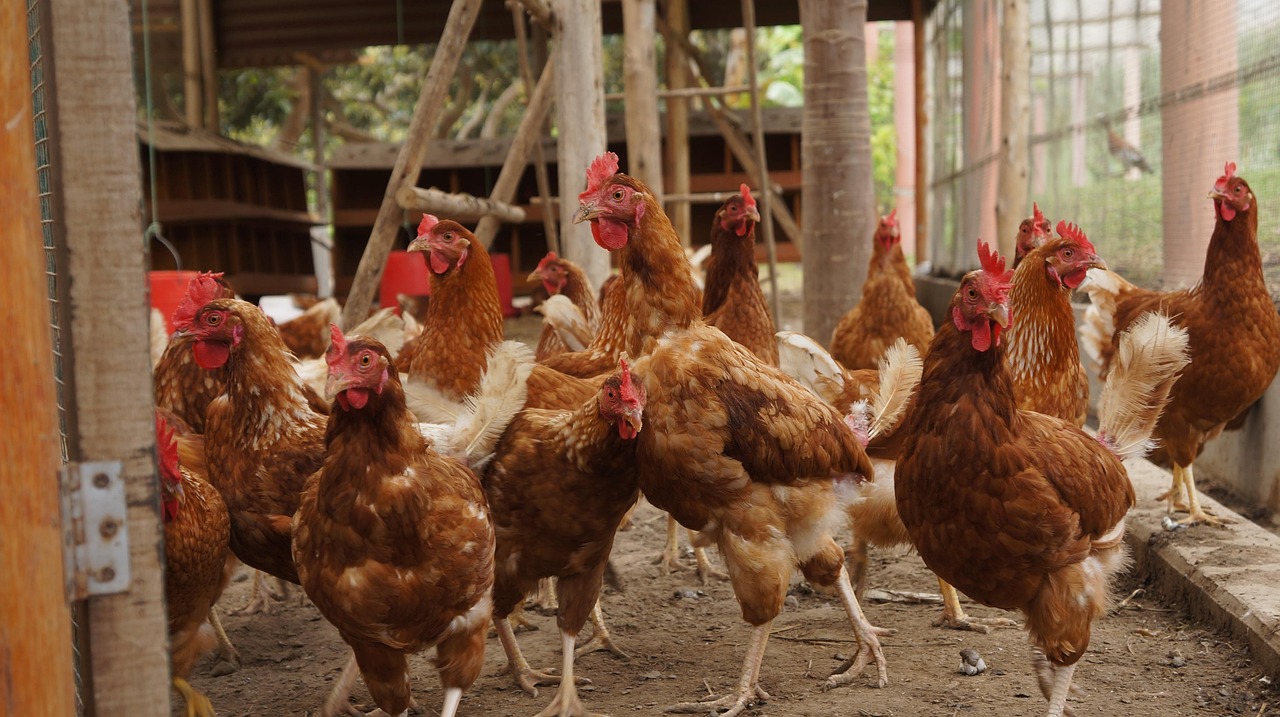
Small-scale poultry farming in Kenya is an increasingly popular business. It allows farmers to generate income, provide eggs and meat for their families, and supply local markets. However, success depends not only on proper management but also on having the right poultry equipment. Using quality equipment ensures healthy birds, reduced losses, and higher productivity.
This guide will highlight the best poultry equipment for small-scale farmers in Kenya, their benefits, and practical tips for usage.
Why poultry equipment is important
Proper poultry equipment helps farmers:
-
Improve feed and water efficiency
-
Protect birds from disease and injury
-
Reduce mortality rates
-
Save time and labor
-
Maintain consistent production
Even small-scale farmers can achieve high efficiency with the right tools.
Feeding equipment
Feeding is a critical part of poultry farming, and the right feeders prevent feed wastage and contamination.
3.1 Types of feeders
-
Chick feeders: Shallow trays for day-old chicks
-
Trough feeders: Ideal for growers and adult layers
-
Round feeders: Prevent crowding and allow multiple birds to feed simultaneously
3.2 Benefits
-
Reduces feed wastage
-
Ensures all birds have access to food
-
Maintains hygiene, reducing disease risks
Small-scale farmers should invest in durable feeders that last for years, even with heavy use.
Drinking equipment
Access to clean water is essential for poultry health.
4.1 Types of drinkers
-
Bell drinkers: Commonly used for all ages
-
Nipple drinkers: Water is dispensed when birds peck; reduces spillage
-
Trough drinkers: Simple and effective for small flocks
4.2 Benefits
-
Ensures proper hydration
-
Reduces water spillage and wet litter
-
Minimizes disease transmission
Brooders
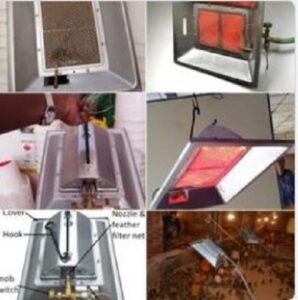
Brooders are essential for raising chicks in the first few weeks.
5.1 Types of brooders
-
Bulb brooders: Cheap and simple, suitable for very small flocks
-
Gas brooders: More efficient and reliable, ideal for 50+ chicks
5.2 Benefits
-
Maintains consistent warmth
-
Reduces chick mortality
-
Encourages early feeding and healthy growth
Even small-scale farmers raising as few as 20–50 chicks benefit from brooders.
Poultry housing equipment
Good housing protects birds from predators, harsh weather, and disease.
6.1 Essential housing equipment
-
Wire mesh and netting to prevent predators
-
Proper roofing to avoid leaks
-
Perches for layers
-
Nesting boxes for egg collection
6.2 Benefits
-
Keeps birds safe and stress-free
-
Reduces disease incidence
-
Promotes uniform growth and egg production
Egg handling equipment
For small-scale layer farmers, proper egg handling equipment is key.
7.1 Essential tools
-
Egg trays: Plastic or paper for storage and transport
-
Egg baskets: For collection around the farm
-
Egg crates: For moving eggs to market
7.2 Benefits
-
Reduces egg breakage
-
Improves hygiene
-
Makes grading and storage easier
Heating and ventilation
Small-scale farmers must maintain optimal temperature and airflow in the poultry house.
8.1 Equipment options
-
Electric or gas brooders for chicks
-
Ventilation systems or simple window openings for air circulation
-
Fans (optional) for hot seasons
8.2 Benefits
-
Reduces stress in birds
-
Prevents respiratory diseases
-
Maintains proper growth and egg production
Cleaning and hygiene equipment
Disease prevention starts with proper hygiene.
9.1 Essential tools
-
Scrapers and brushes
-
Disinfectants
-
Footbaths
-
Cleaning buckets
9.2 Benefits
-
Reduces parasite infestations
-
Prevents spread of diseases like Newcastle or Gumboro
-
Creates a healthier environment for birds
Record-keeping tools
Even small-scale farmers benefit from keeping records.
10.1 Tools
-
Notebook or logbook
-
Farm management apps (optional)
10.2 Benefits
-
Tracks feed consumption
-
Monitors growth and egg production
-
Helps plan vaccinations and medication schedules
Proper records improve farm efficiency and profitability.
How to choose the best equipment
When selecting poultry equipment:
-
Durability: Choose items that last and resist damage
-
Ease of cleaning: Reduces labor and disease risk
-
Size suitability: Match equipment to flock size
-
Local availability: Easier to replace or repair in Kenya
-
Cost-effectiveness: Balance initial cost vs long-term benefits
Investing in quality equipment saves money and time over time.
Recommended poultry equipment suppliers in Kenya
Farmers can get poultry equipment from trusted suppliers like:
-
Mkulima Jovial – Offers feeders, drinkers, gas brooders, and egg trays suitable for small-scale farms
-
Local agricultural shops in Nairobi, Nakuru, and other counties
-
Online suppliers with delivery options
Buying from reliable sources ensures equipment quality and longevity.
Common mistakes small-scale farmers make
-
Using inadequate or damaged feeders and drinkers
-
Overcrowding birds in small houses
-
Neglecting hygiene and disinfection
-
Using unsuitable brooders for chicks
-
Ignoring proper egg handling
Avoiding these mistakes reduces mortality and improves productivity.
Practical tips for small-scale poultry farmers
-
Start with essential equipment and scale as your farm grows
-
Clean feeders and drinkers daily
-
Maintain proper brooding temperatures
-
Use plastic egg trays for durability
-
Keep proper records of flock performance
Following these tips ensures small-scale farms remain profitable and manageable.
Conclusion
Investing in quality poultry equipment is critical for small-scale farmers in Kenya. Proper feeders, drinkers, brooders, housing tools, egg trays, and cleaning equipment improve efficiency, reduce losses, and support bird health.
Even small farms can achieve high productivity and profitability with the right equipment and good farm management practices.