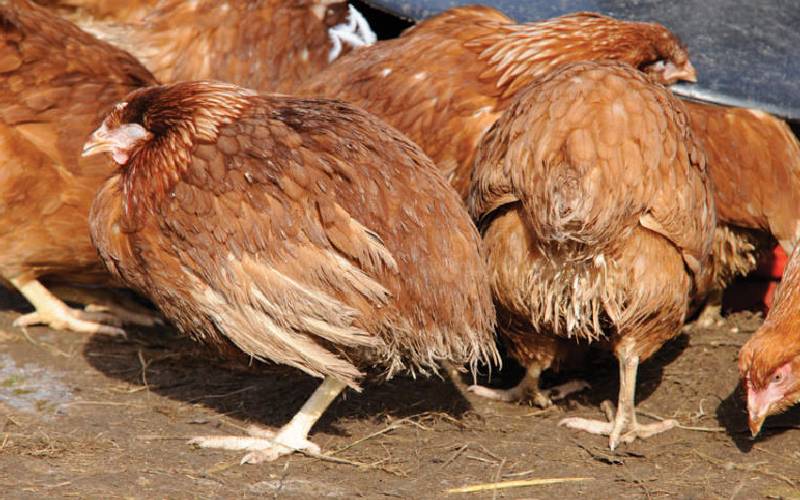
Common Poultry Diseases in Kenya and How to Prevent Them
Poultry farming in Kenya is a profitable venture, but disease outbreaks remain one of the biggest challenges facing farmers. Many poultry losses occur due to poor disease prevention, late diagnosis, and weak biosecurity practices. Understanding common poultry diseases and how to prevent them is essential for both small-scale and commercial farmers.
This guide explains the most common poultry diseases in Kenya, their causes, symptoms, and practical prevention measures farmers can apply on their farms.
Why disease control is critical in poultry farming
Disease outbreaks can wipe out an entire flock within days. Poultry diseases lead to:
High mortality rates
Reduced growth and egg production
Increased treatment costs
Loss of market trust
Preventing disease is always cheaper and more effective than treating sick birds.
Newcastle disease
3.1 Overview
Newcastle disease is one of the most deadly poultry diseases in Kenya. It spreads rapidly through air, water, feed, and contact with infected birds.
3.2 Symptoms
Sudden death
Greenish diarrhea
Twisted necks
Difficulty breathing
Drop in egg production
3.3 Prevention
Follow a strict vaccination schedule
Limit farm visitors
Disinfect equipment regularly
Isolate new or sick birds
Vaccination is the most effective way to control Newcastle disease.
Gumboro disease (Infectious Bursal Disease)
4.1 Overview
Gumboro mainly affects young chicks between 3–6 weeks old. It weakens the immune system, making birds vulnerable to other diseases.
4.2 Symptoms
Depression and ruffled feathers
White or watery diarrhea
Swollen vent
Sudden death in chicks
4.3 Prevention
Vaccinate chicks at the right age
Maintain clean housing
Avoid mixing chicks of different ages
Coccidiosis
5.1 Overview
Coccidiosis is caused by parasites that thrive in dirty, wet litter.
5.2 Symptoms
Bloody diarrhea
Poor appetite
Weakness
Slow growth
5.3 Prevention
Keep litter dry
Use coccidiostats in feed if advised
Clean drinkers daily
Avoid overcrowding
Good hygiene is the key to preventing coccidiosis.
Fowl pox
6.1 Overview
Fowl pox is a viral disease spread by mosquitoes and direct contact.
6.2 Symptoms
Wart-like growths on comb, wattles, and eyes
Reduced feed intake
Drop in egg production
6.3 Prevention
Vaccinate birds
Control mosquitoes
Maintain clean housing
Chronic respiratory disease (CRD)
7.1 Overview
CRD is common in poorly ventilated poultry houses.
7.2 Symptoms
Sneezing and coughing
Nasal discharge
Swollen eyes
Reduced growth and egg production
7.3 Prevention
Ensure proper ventilation
Avoid dust buildup
Reduce stress
Maintain proper stocking density
Infectious bronchitis
8.1 Overview
This viral disease affects the respiratory system and egg quality in layers.
8.2 Symptoms
Gasping and coughing
Soft or misshapen eggs
Drop in egg production
8.3 Prevention
Vaccinate birds
Maintain good biosecurity
Avoid mixing flocks
Parasites affecting poultry
9.1 External parasites
Mites
Lice
Fleas
Symptoms include itching, feather loss, and poor growth.
9.2 Internal parasites
Worms cause weight loss and reduced productivity.
9.3 Prevention
Regular deworming
Clean housing
Proper litter management
Importance of biosecurity on poultry farms
Biosecurity prevents disease entry and spread.
Key biosecurity measures:
Restrict visitors
Use footbaths at entry points
Disinfect equipment
Separate age groups
Quarantine new birds
Strong biosecurity protects your investment.
Role of proper equipment in disease prevention
Clean feeding and watering equipment reduce disease transmission.
Benefits of proper equipment:
Prevents contamination
Reduces water spillage
Improves hygiene
Using quality chicken feeders and drinkers, well-maintained gas brooders, and clean egg trays supports disease prevention efforts.
Vaccination schedule basics
Although schedules vary, farmers should:
Vaccinate against Newcastle disease
Vaccinate against Gumboro
Follow vet recommendations
Keep vaccination records to track flock health.
Early disease detection and response
Early action saves birds.
Watch for:
Changes in behavior
Reduced feeding or drinking
Abnormal droppings
Sudden deaths
Isolate affected birds immediately and consult a veterinarian.
Common mistakes farmers make
Skipping vaccinations
Poor sanitation
Overstocking
Mixing birds of different ages
Delayed treatment
Avoiding these mistakes improves farm performance.
Practical tips for Kenyan poultry farmers
Clean feeders and drinkers daily
Disinfect poultry houses regularly
Maintain dry litter
Use proper brooding temperatures
Keep accurate health records
Simple daily practices make a big difference.
Conclusion
Poultry diseases are a major threat to farmers in Kenya, but most can be prevented through proper management. Vaccination, biosecurity, hygiene, and early detection are the pillars of disease control.
By combining good farming practices with quality equipment such as feeders, drinkers, gas brooders, and egg trays, poultry farmers can protect their flocks, reduce losses, and achieve consistent productivity.
Internal Links (Mandatory)
Chicken Feeders & Drinkers
Gas Brooders
Egg Trays
SEO Title
Common Poultry Diseases in Kenya and How to Prevent Them
Meta Description
Learn about common poultry diseases in Kenya, their symptoms, and practical prevention methods. Protect your flock through vaccination, biosecurity, and proper poultry equipment.