How proper drinkers reduce disease in poultry farming
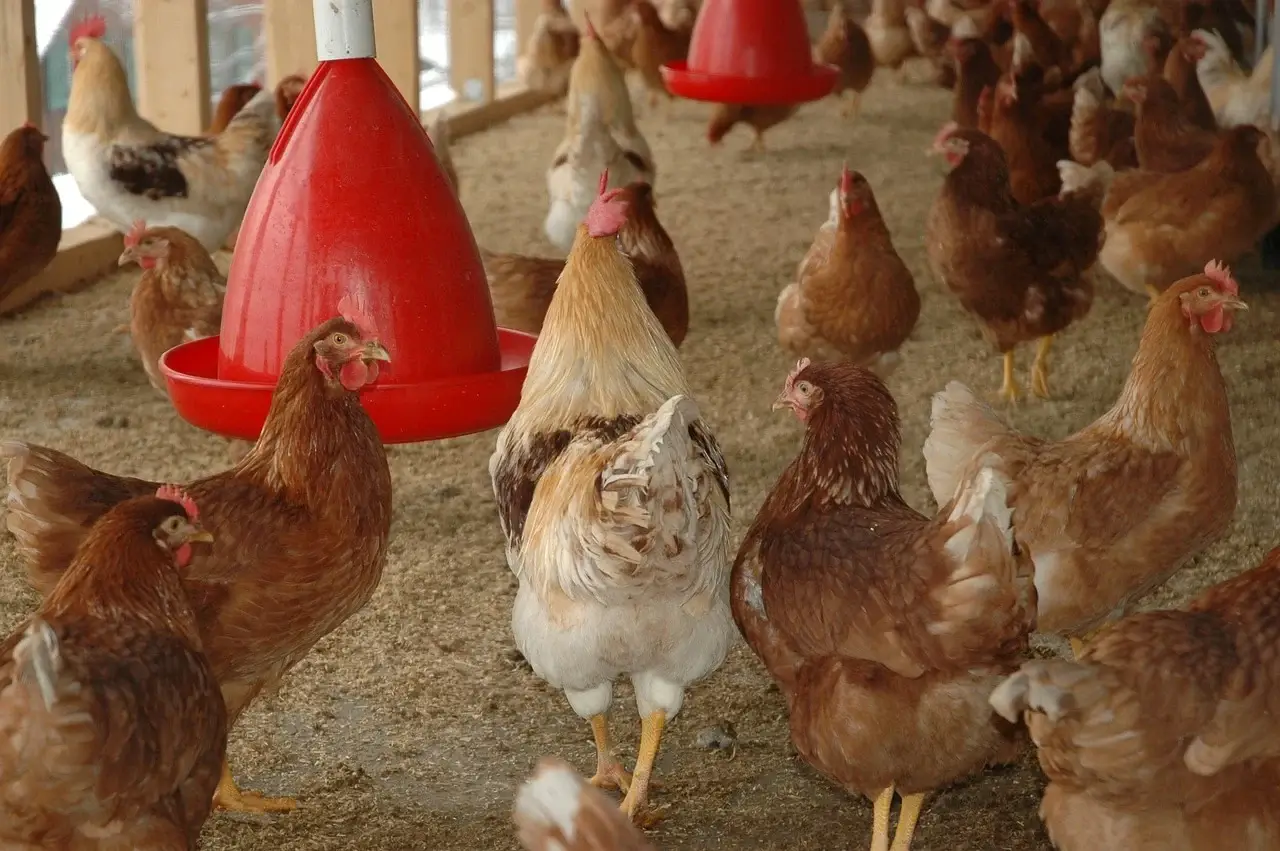
Water is as important as feed in poultry farming. Many farmers in Kenya focus mainly on feed but overlook the critical role of clean water. Poor water management is a common cause of disease, slow growth, and reduced egg production.
Proper drinkers not only provide sufficient water for your birds but also reduce the risk of water-borne diseases, improve feed efficiency, and support healthy growth. This guide explains why drinkers are important, how to use them correctly, and practical tips to prevent disease in chicks, growers, and layers.
Why water is essential for poultry
Chickens need water for digestion, nutrient absorption, body temperature regulation, and overall health.
-
Chicks: During the first few weeks, chicks rely heavily on water to digest their starter feed. Dehydration can cause stunted growth or even death.
-
Growers: Water supports rapid weight gain. Broilers need constant access to water to reach market weight on time.
-
Layers: Water intake directly affects egg production. A single day without clean water can reduce laying performance.
In Kenya, especially in hotter counties like Machakos or Makueni, water consumption increases significantly during the day. Failing to provide enough clean water in such conditions leads to stress and lowers productivity.
How dirty drinkers cause disease
Dirty or poorly maintained drinkers are a major source of poultry disease. Contaminated water can carry:
-
Bacteria such as Salmonella, E. coli, and Pasteurella
-
Viruses like Newcastle disease (ND) and Infectious Bronchitis (IB)
-
Parasites including coccidia
Symptoms from water-borne diseases include diarrhea, reduced feed intake, poor growth, and high mortality. Wet and dirty drinkers also increase litter moisture, creating an ideal environment for bacteria and fungi.
By maintaining clean drinkers, farmers can prevent disease outbreaks, reduce losses, and save money on veterinary costs.
Choosing the right drinkers for different stages
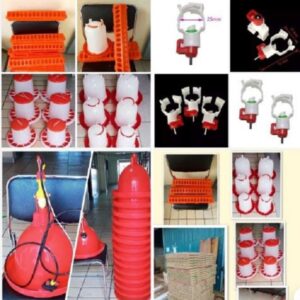
Different stages of poultry growth require different drinker types. Using the wrong type can cause wastage, stress, and disease.
-
Chicks: Shallow chick drinkers are ideal. They prevent drowning and allow chicks to access water easily. Use multiple small drinkers to prevent overcrowding.
-
Growers: Hanging or trough drinkers provide enough water for active birds and reduce contamination. Make sure the drinkers are stable and not easily tipped.
-
Layers: Layers need large troughs or nipple drinkers for constant access. Proper distribution ensures all birds can drink simultaneously, reducing stress and competition.
Investing in good-quality drinkers like those sold by Mkulima Jovial improves bird health and feed conversion.
Correct placement of drinkers
Placement is as important as the drinkers themselves.
-
Chicks: Drinkers should be low, at chick back height, to encourage drinking. Too high makes them difficult to access, too low can cause wet litter.
-
Growers and layers: Place drinkers at bird back height and space them evenly throughout the poultry house. Avoid placing drinkers directly under feeders to prevent feed contamination.
Proper placement reduces spillage, prevents wet litter, and ensures birds have easy access to water at all times.
Maintaining clean water
Water should be clean and free from debris. Here are practical tips for Kenyan farmers:
-
Change water at least once daily, more often in hot weather.
-
Clean drinkers with a brush and mild disinfectant weekly. Locally available chlorine-based products or diluted Jik can be used safely.
-
Avoid letting leftover feed fall into water. Wet feed promotes bacterial growth.
-
For layers, consider siphoning trough drinkers to remove sediment at the bottom daily.
Clean water improves growth rates in broilers and ensures layers maintain consistent egg production.
Using feeders alongside drinkers
Feeding and drinking systems should complement each other.
-
Place feeders and drinkers side by side but not directly above one another.
-
This prevents feed from contaminating water, which can quickly lead to disease.
-
Using high-quality chicken feeders and drinkers from Mkulima Jovial ensures proper spacing and reduces spillage.
A well-organized feeding and drinking system reduces stress, improves feed intake, and promotes healthy growth.
Monitoring bird behavior around drinkers
Observing your flock daily helps detect early problems:
-
Birds crowding a single drinker may indicate insufficient water supply.
-
Reduced drinking often signals heat stress, illness, or water contamination.
-
Chicks moving slowly or reluctant to drink may indicate improper brooding temperature or illness.
Regular observation allows quick interventions before disease spreads.
Benefits of proper drinkers
Investing in proper drinkers brings multiple benefits:
-
Reduced disease and mortality
-
Improved feed conversion efficiency
-
Faster growth in broilers
-
Higher egg production in layers
-
Cleaner poultry house and drier litter
Proper drinkers make managing large flocks easier, especially for small-scale farmers in Kenya who want to scale up.
Common mistakes farmers make with drinkers
-
Using dirty or shallow drinkers for older birds
-
Placing drinkers at the wrong height
-
Not cleaning water containers regularly
-
Allowing feed to spill into drinkers
-
Overcrowding drinkers or using too few
Avoiding these mistakes ensures a healthier flock and reduces costly losses.
Practical tips for Kenyan farmers
-
Install multiple drinkers to match flock size.
-
Use nipple drinkers for layers to reduce water wastage.
-
In hot regions, provide shade around water points to keep water cool.
-
Pair proper drinkers with good litter management to reduce disease risk.
-
Link water hygiene practices with vaccination schedules to maximize disease prevention.
Conclusion on :How proper drinkers reduce disease in poultry farming
Proper drinkers are essential for healthy, productive poultry farming. Clean water, correct placement, and maintenance reduce disease, improve growth, and support egg production.
By investing in reliable drinkers and combining them with good feeders, brooders, and egg trays, poultry farmers in Kenya can prevent early chick losses, reduce mortality, and maximize farm profitability.