
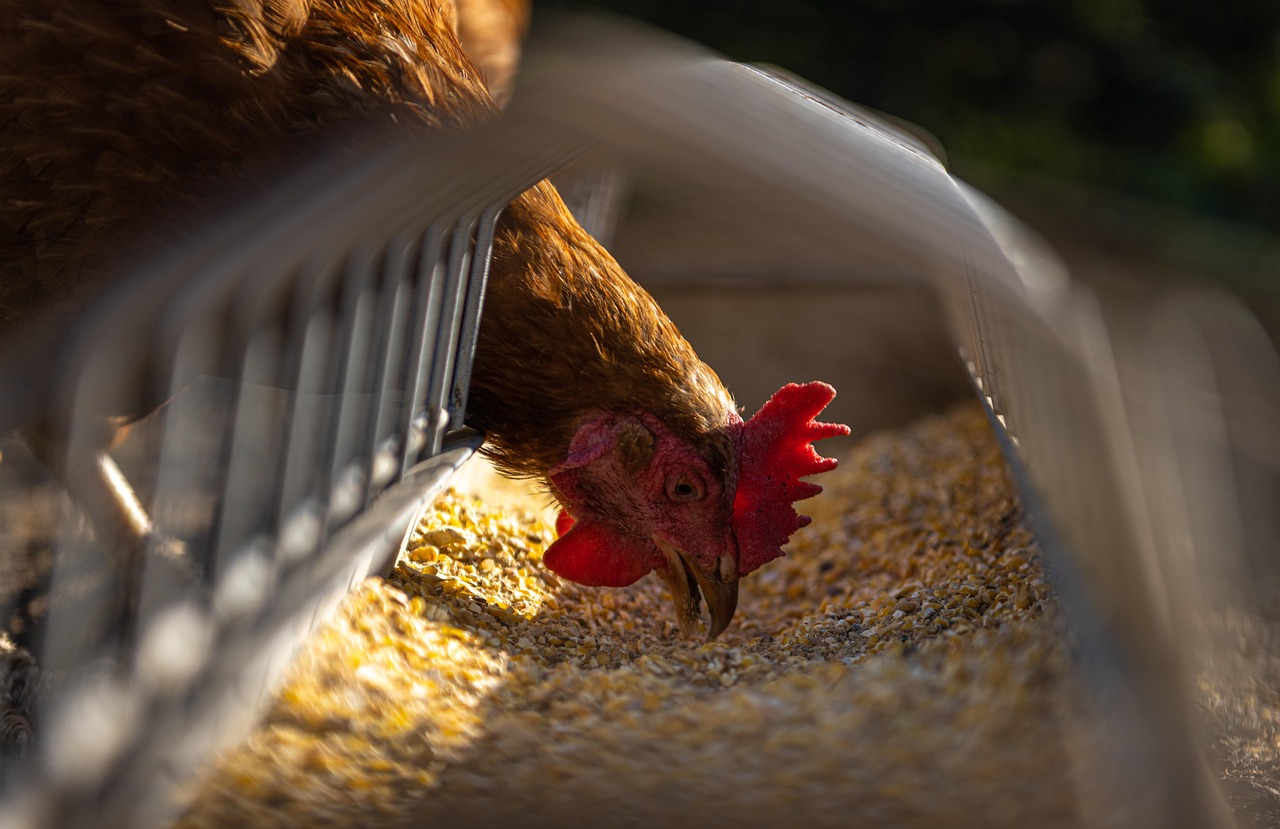
How to choose feeders and drinkers for broiler chickens kenya efficient usage
Choosing the right feeders and drinkers for broiler chickens is one of the most important decisions for any poultry farmer in Kenya. The equipment you select will directly influence feed intake, growth rate, feed conversion ratio, hygiene, and overall profitability of your broiler project. This guide explains exactly what to look for, how to choose the correct sizes, how many feeders and drinkers you need, and how to use them efficiently to reduce losses.
why feeders and drinkers matter for broiler performance
Broilers grow fast and require constant access to feed and water. Poor-quality or inadequate equipment results in:
* slow growth
* high feed wastage
* contaminated water
* crowding and injuries
* poor feed conversion
* uneven flock performance
The right equipment keeps birds feeding comfortably, reduces stress, and ensures uniform growth across the flock.
factors to consider when choosing feeders for broiler chickens in kenya
1. age of the broilers
Broilers use different feeders at different stages.
For chicks (0–14 days):
* use chick trays or shallow feeders
* these make feed easily accessible
* they prevent chicks from climbing into feed and wasting it
For growers and finishers (15–35 days):
* use hanging tube feeders or round feeders
* they reduce wastage and keep feed cleaner
2. feeder material
Good feeders are usually made of strong plastic or galvanized metal.
Choose feeders that are:
* durable
* easy to wash
* resistant to rust
* lightweight
* stable (not easily knocked over)
Plastic feeders are common in Kenya because they are affordable, durable, and easy to clean.
3. feeder capacity
Capacity determines how many birds can feed at once.
Typical capacities:
3kg feeders – ideal for small flocks and small spaces
5kg feeders – great for 20–30 broilers
10kg feeders – suitable for larger flocks or centralized feeding
Select feeders based on the number of birds and how often you want to refill.
4. feeder design
You should choose feeder designs that minimize feed wastage.
Look for:
* anti-waste grill or ring
* even feeding ports
* adjustable height options
* smooth edges
Anti-waste rings prevent birds from scratching feed out using their beaks.
5. stocking density: how many feeders you need
The recommended ratio in Kenya is:
1 feeder for every 30–40 broilers
If the birds are larger, reduce to 1 feeder for every 25–30 birds to prevent crowding.
6. hygiene and cleaning
Choose feeders that can be cleaned daily. Smooth surfaces are easier to scrub and disinfect.
factors to consider when choosing drinkers for broiler chickens in kenya
1. drinker type
The common types in Kenya are:
* chick manual drinkers (1L – 2.5L)
* hanging bell drinkers (automatic or semi-automatic)
* nipple drinker systems (advanced farms)
Chick drinkers are best for the first 7–10 days.
Bell drinkers and nipples are ideal for the grower to finisher stage.
2. capacity of the drinker
Choose drinkers according to your flock size.
1L–2L drinkers – for chicks
6L–12L bell drinkers – for growers and finishers
Large drinkers reduce the frequency of refilling.
3. drinker height
Drinker height affects water cleanliness.
Set drinkers at back-height of the birds so they do not step into the water or knock it over.
4. water flow and stability
Choose drinkers that:
* do not leak
* have good water flow
* are stable
* are easy to refill
Automatic nipple systems reduce contamination because water is delivered directly to the bird’s beak.
5. number of drinkers needed
The recommended ratio in Kenya:
1 drinker per 40–50 broilers
If using nipple lines:
8–12 birds per nipple
6. hygiene and cleaning
Drinkers must be easy to wash because broilers get sick quickly if water is contaminated.
manual vs automatic feeders and drinkers in kenya
Manual equipment
* affordable
* ideal for beginners
* easy to control but require more labor
Automatic equipment
* reduces labor
* keeps feed and water cleaner
* improves growth and reduces wastage
* requires initial investment
how to use broiler feeders efficiently
Raise the feeder as birds grow
Always keep the feeder at the bird’s shoulder height to reduce wastage.
Do not overfill feeders
Fill them halfway to prevent spillage.
Distribute feeders evenly
Place feeders in different areas to reduce crowding and competition.
Provide 23 hours of light for the first 7 days
This encourages feeding and fast early growth.
Clean feeders daily
This prevents mold, bacteria, and feed contamination.
how to use broiler drinkers efficiently
Adjust drinker height daily
Keep the lip of the drinker level with the bird’s back.
Use clean drinking water
Never give broilers water that is muddy or untreated.
Remove wet litter immediately
Wet litter causes diseases such as coccidiosis and respiratory infections.
Add vitamins and electrolytes during the first week
This boosts immunity and feed intake.
Reduce wastage by stabilizing drinkers
Tie hanging drinkers firmly to reduce swinging and spilling.
recommended equipment for kenyan farmers
For chicks:
* chick feeding trays
* 1–2L chick drinkers
For growers:
* 5kg feeders
* 6–8L bell drinkers
For finishers:
* large 10kg feeders
* 12L bell drinkers or nipple lines
signs you are using the wrong feeders or drinkers
* birds crowd around one area
* high feed spillage on the floor
* slow growth despite enough feed
* frequent diarrhea caused by dirty water
* uneven flock sizes
* birds stepping inside drinkers
If you notice any of these, change your equipment setup.
conclusion
Choosing the right feeders and drinkers for broiler chickens in Kenya can dramatically improve growth, reduce feed costs, and keep birds healthy. By selecting the correct sizes, maintaining proper equipment ratios, and using the feeders and drinkers efficiently, farmers achieve faster growth and better profits. Cleanliness, placement, and proper design all contribute to maximum performance on your broiler farm.