
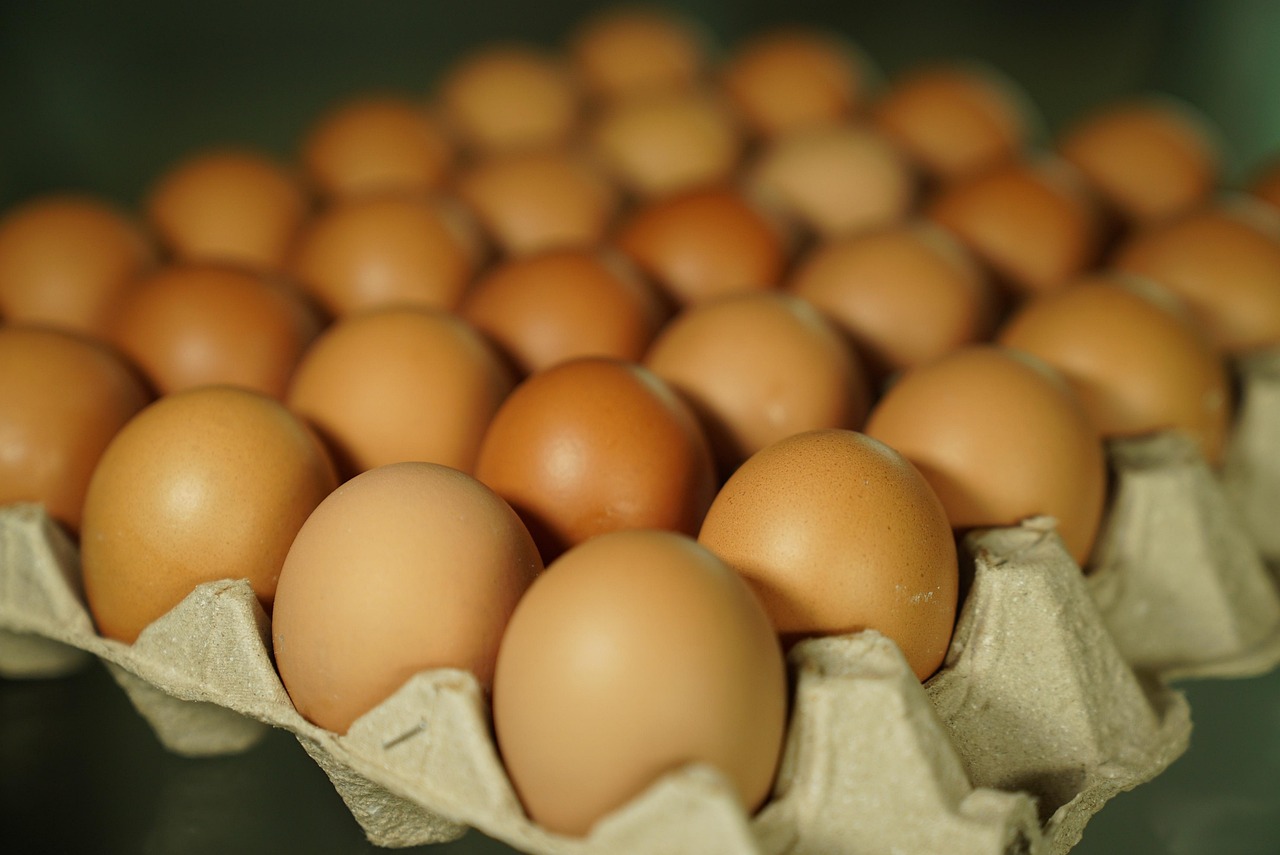
How to Choose the Right Egg Trays for Poultry Farming
Egg trays play a critical role in poultry farming, especially for layer farmers. Poor egg handling leads to breakages, contamination, and financial losses. Choosing the right egg trays helps farmers protect eggs during collection, storage, and transport.
In Kenya, where eggs are often transported over long distances to markets, selecting durable and hygienic egg trays is essential. This guide explains how to choose the right egg trays for poultry farming and how they contribute to profitability.
Why egg trays are important in poultry farming
Egg trays help farmers:
-
Prevent egg breakage
-
Maintain egg quality
-
Improve hygiene
-
Organize egg storage
-
Ease transportation
Using poor-quality trays increases losses and lowers market value.
Common types of egg trays used in Kenya
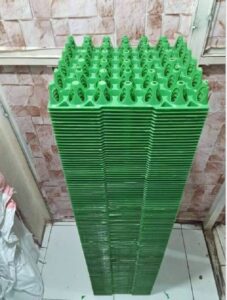
3.1 Plastic egg trays
Plastic trays are widely used by commercial farmers.
Advantages:
-
Strong and durable
-
Easy to clean and disinfect
-
Long lifespan
-
Resistant to moisture
They are ideal for repeated use and long-distance transportation.
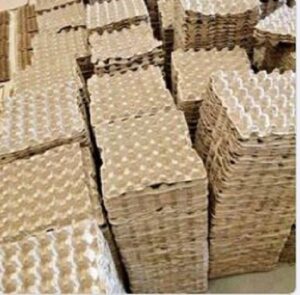
3.2 Paper pulp egg trays
These are common among small-scale farmers.
Advantages:
-
Affordable
-
Lightweight
-
Biodegradable
Disadvantages:
-
Easily damaged by water
-
Difficult to clean
-
Short lifespan
Capacity and design of egg trays
Most egg trays hold:
-
30 eggs
Key design features:
-
Deep egg pockets for stability
-
Good spacing to reduce cracking
-
Flat base for stacking
Always choose trays designed for chicken eggs to avoid damage.
Hygiene and food safety considerations
Egg hygiene is important for consumer safety.
Good egg trays:
-
Are easy to wash
-
Do not absorb moisture
-
Do not trap dirt or bacteria
Plastic egg trays are recommended for farms supplying hotels and supermarkets.
Egg trays for transportation
Transportation increases the risk of breakage.
When choosing egg trays for transport:
-
Select strong trays that stack well
-
Avoid mixing different tray types
-
Use crates for added protection
Quality egg trays reduce losses during market delivery.
Egg trays for storage
Proper storage extends egg shelf life.
Tips:
-
Store eggs in a cool, dry place
-
Stack trays evenly
-
Avoid overstacking
Egg trays help organize eggs and simplify stock management.
Choosing egg trays based on farm size
Small-scale farms
-
Paper or plastic trays can be used
-
Focus on affordability
Medium to large-scale farms
-
Plastic egg trays are ideal
-
Easier cleaning and reuse
-
Better long-term value
Investing in quality trays pays off over time.
Cost considerations
Egg tray prices in Kenya vary by type.
-
Paper trays: lower initial cost
-
Plastic trays: higher initial cost but last longer
Farmers should consider long-term savings rather than just purchase price.
Role of egg trays in disease prevention
Egg trays can spread disease if not cleaned.
Best practices:
-
Disinfect trays regularly
-
Do not share trays between farms
-
Keep trays off the ground
Clean egg trays support overall farm biosecurity.
Egg trays and egg grading
Egg trays help farmers:
-
Separate cracked eggs
-
Grade eggs by size
-
Improve presentation
Well-presented eggs attract better prices.
Where to buy quality egg trays in Kenya
Farmers can buy egg trays from:
-
Poultry equipment shops
-
Agricultural suppliers
-
Online suppliers like Mkulima Jovial
Buying from trusted suppliers ensures quality and durability.
Common mistakes farmers make
-
Using damaged trays
-
Mixing clean and dirty trays
-
Overstacking eggs
-
Ignoring cleaning
Avoiding these mistakes reduces losses.
Practical tips for Kenyan farmers
-
Choose plastic trays for commercial farming
-
Clean trays after every use
-
Store trays properly when not in use
-
Replace worn-out trays promptly
Good tray management improves profitability.
How egg trays support profitability
Quality egg trays:
-
Reduce breakage losses
-
Maintain egg quality
-
Improve customer confidence
Small improvements in handling lead to significant profit gains.
Conclusion
Choosing the right egg trays is a simple but powerful step in improving poultry farming results. Durable, hygienic trays protect eggs, reduce losses, and support food safety standards.
By using quality egg trays, alongside proper feeders, drinkers, and brooders, poultry farmers can enhance efficiency and profitability throughout the production cycle.