
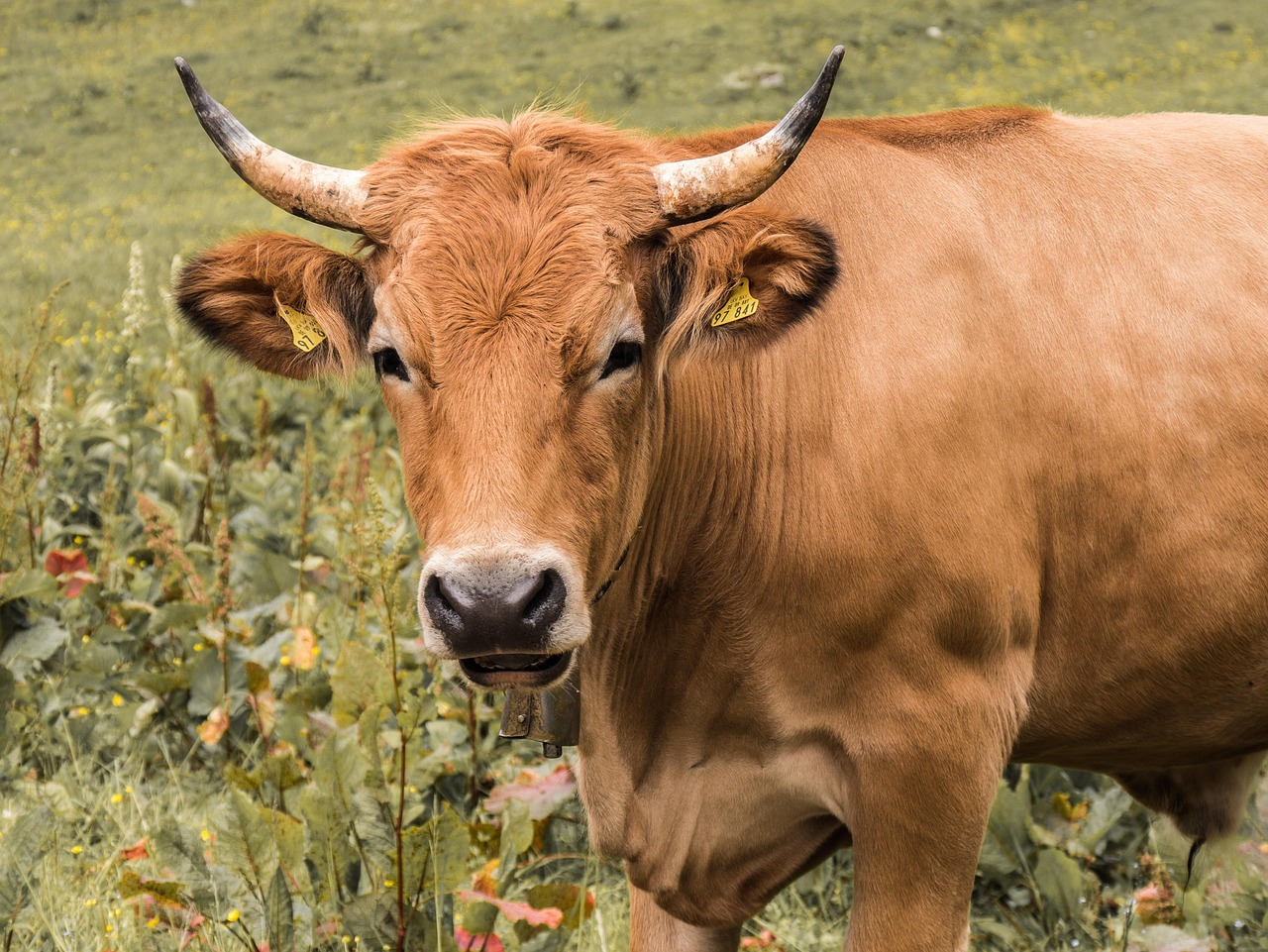
How to Fatten Beef Cattle in Kenya for Maximum Weight Gain
Fattening beef cattle is one of the most profitable livestock ventures in Kenya when done correctly. With the right feeding program, proper housing, and good health management, farmers can achieve excellent weight gain within a short period, leading to higher selling prices at the market. This guide explains how Kenyan farmers can fatten beef cattle efficiently and sustainably to achieve maximum daily weight gain.
Understanding Beef Cattle Fattening
Beef fattening involves feeding and managing cattle intensively for 90–120 days to increase their body weight and improve meat quality. The goal is to maximize growth while minimizing costs and maintaining good animal health. This system works well in Kenya because beef demand is high in urban areas such as Nairobi, Nakuru, Mombasa, and Kisumu.
Choosing the Right Cattle for Fattening
Breed selection affects growth rate and profitability. Good breeds for fattening in Kenya include:
Borana
Sahiwal
Zebu (when well-fed)
Hereford
Charolais
Aberdeen Angus
Young steers and bulls between 1.5–3 years generally perform best because they convert feed efficiently.
Step 1: Proper Housing for Beef Fattening
Cattle should be housed in a stress-free environment to promote fast growth. A good fattening unit should have:
A dry, clean floor
Adequate shade and protection from rain
Enough feeding space for each animal
Proper drainage to prevent mud
Access to fresh clean water
Good ventilation
Avoid overcrowding because stress reduces feed intake and weight gain.
Step 2: Feeding for Maximum Weight Gain
Nutrition is the most important factor in beef fattening. Cattle must eat enough energy, protein, vitamins, and minerals every day. A good fattening diet in Kenya consists of:
Energy Sources
Maize germ
Maize bran
Molasses
Sorghum
Rice polishing
Protein Sources
Cottonseed cake
Sunflower cake
Soya bean meal
Lucerne
Desmodium
Roughage
Rhodes grass hay
Boma Rhodes
Napier grass (chopped)
Dry maize stover (treated with molasses or urea)
Minerals and Vitamins
Provide mineral lick or premix daily.
Recommended Beef Fattening Feeding Ratio
A balanced daily fattening ration may include:
60% energy feed
20% protein feed
20% roughage
Molasses can be added (1–2 kg per cow daily) to improve palatability and energy. Supply mineral lick freely.
Daily Feed Intake
Adult cattle eat 3% of their body weight in dry matter daily. For a 300 kg steer, this equals about 9 kg of feed per day.
Step 3: Water Management
Weight gain depends on water availability. Cattle should have unlimited access to clean water throughout the day. Water supports digestion and improves feed conversion.
Step 4: Health and Disease Control
Healthy cattle gain weight faster. Follow these health steps:
Deworm cattle immediately when they arrive
Vaccinate against diseases such as LSD, FMD, BQ, anthrax, and CBPP
Spray or dip for ticks and biting flies
Monitor for respiratory infections
Provide a stress-free environment
Call a veterinarian if an animal shows signs of illness
Sick cattle lose appetite and take longer to reach market weight.
Step 5: Stress Management
Stress reduces feed intake. Reduce stress by:
Avoiding unnecessary noise
Handling animals calmly
Avoiding frequent movements
Grouping cattle by size
Good handling results in better meat quality and faster growth.
Step 6: Record Keeping
Track the following for every animal:
Initial weight
Daily feed offered
Daily feed leftover
Health treatments
Final weight
Records help gauge feed efficiency and profitability.
Expected Weight Gain
Well-fed cattle can gain:
0.8–1.2 kg per day for zebu
1.2–1.5 kg per day for exotic breeds
1.5–2.0 kg per day for crossbreeds
Step 7: Finishing and Market Preparation
Cattle are ready for sale when:
They reach desired weight (350–500 kg depending on breed)
Their body condition score is between 4 and 5
Fat cover is visible on the ribs and tail head
Meat buyers prefer well-finished animals because they provide quality beef and higher carcass yield.
Marketing Options in Kenya
Local butcheries
Slaughterhouses
Hotels and restaurants
Export processors
Private buyers during festivities
Livestock markets such as Kiserian, Suswa, Emali, Garissa, and Isiolo
Tips for Increasing Profit
Buy cattle during rainy seasons when prices are low
Fatten during dry seasons to sell when prices rise
Mix your own rations to cut feeding costs
Use mineral supplements to boost growth
Reduce veterinary costs with good prevention systems
Conclusion
Fattening beef cattle in Kenya is profitable when farmers follow the correct feeding program, provide good housing, and maintain strong health management practices. With the right breed, quality feed, and close monitoring, farmers can achieve maximum weight gain and sell cattle at premium prices. Consistency and good management are the key ingredients for successful beef fattening in Kenya.
would love to learn more.
Quite an insightful documentary. We’ll engage more