
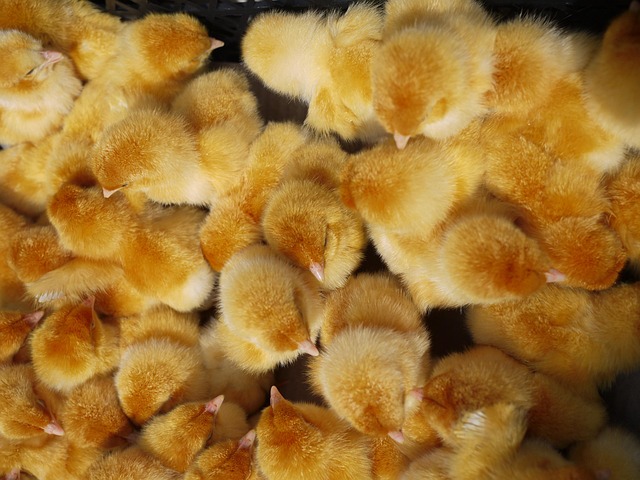
How to Reduce Chick Mortality in the First Two Weeks
The first two weeks are the most critical period in poultry farming. In Kenya, many new poultry farmers face high chick mortality during this time due to poor management, disease, and stress.
Reducing chick mortality ensures healthy growth, lowers losses, and improves profitability. This guide provides practical, Kenyan-context strategies to protect chicks during their vulnerable early days.
Understanding chick mortality
Chick mortality refers to the number of chicks that die within the first two weeks. Causes include:
-
Disease (Newcastle, coccidiosis, infectious bronchitis)
-
Poor brooding conditions
-
Inadequate feed and water
-
Stress from handling or environmental changes
Mortality rates above 5–10% in the first two weeks can significantly affect profits. By managing housing, feed, water, and hygiene, farmers can drastically reduce losses.
Preparing the poultry house
A clean, dry, and well-ventilated poultry house is essential:
-
Disinfect the house before introducing chicks using mild disinfectants available locally.
-
Dry litter such as wood shavings or rice husks insulates chicks and keeps them warm.
-
Proper ventilation ensures fresh air, removes excess humidity, and reduces respiratory diseases.
Proper preparation sets the stage for healthy chick growth and reduces disease risk.
Maintaining correct brooding temperature
Chicks cannot regulate their body temperature in the first weeks. Incorrect temperature is a major cause of early mortality:
-
Too cold: Chicks huddle together, reducing feed intake and slowing growth.
-
Too hot: Chicks pant excessively, become dehydrated, and may die.
Recommended brooding temperatures:
-
Day-old chicks: 32–35°C
-
Week 1–2: 30–32°C
Using gas brooders or bulb brooders from trusted suppliers like Mkulima Jovial ensures consistent heat for your chicks.
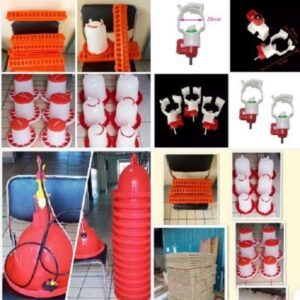
Providing clean water and proper drinkers
Water is critical for digestion and growth:
-
Use shallow chick drinkers to prevent drowning.
-
Change water daily and clean drinkers to avoid contamination.
-
Ensure multiple drinkers are available to prevent crowding.
Dirty or insufficient water contributes to diarrhea, poor growth, and increased mortality. Proper drinkers reduce disease and stress.
Feeding chicks properly
Nutrition affects immunity and growth.
-
Provide age-appropriate feed (starter feed for day-old chicks).
-
Keep feeders clean and ensure all chicks can access food easily.
-
Avoid overfilling or spilling feed, which can attract pathogens.
Using high-quality feeders from Mkulima Jovial ensures feed is accessible and reduces contamination risk.
Hygiene and biosecurity
Good hygiene is key to preventing disease outbreaks:
-
Wash hands and disinfect footwear before entering the poultry house.
-
Limit visitors and prevent contact with other birds.
-
Remove dead chicks immediately to prevent disease spread.
-
Keep litter dry and replace when wet.
Strong biosecurity practices protect chicks from infectious diseases common in Kenyan farms.
Vaccination and disease prevention
Vaccinations protect chicks from deadly diseases:
-
Follow a recommended vaccination schedule from a veterinary professional.
-
Common vaccines in Kenya include Newcastle Disease (ND) and Infectious Bursal Disease (Gumboro).
-
Vaccinate chicks at the right age and ensure proper handling during administration.
Proper vaccination combined with clean water, feeders, and good housing reduces early mortality.
Observation and early intervention
Monitoring chicks daily allows early detection of problems:
-
Check for lethargy, reduced feeding, huddling, or diarrhea.
-
Observe behavior around feeders and drinkers to detect competition or stress.
-
Isolate sick chicks to prevent disease spread.
Early intervention prevents small issues from turning into fatal problems.
Handling and stress reduction
Rough handling can stress chicks, lowering immunity and increasing mortality:
-
Minimize handling during the first two weeks.
-
Use gentle movements and avoid loud noises.
-
Keep chicks warm during transportation or movement.
Stress management helps chicks grow faster and reduces disease susceptibility.
Space and stocking density
Overcrowding increases mortality risk:
-
Provide adequate space per chick (approximately 0.05–0.1 m² per chick in the first two weeks).
-
Overcrowding causes competition for feed and water, poor growth, and disease.
-
Gradually increase space as chicks grow.
Proper space management ensures chicks are comfortable and healthy.
Practical tips for Kenyan farmers
-
Combine gas or bulb brooders with clean feeders and drinkers for consistent growth.
-
Keep litter dry and change it regularly to prevent bacterial growth.
-
Observe chicks multiple times a day during the first two weeks.
-
Ensure vaccination schedules are strictly followed.
-
Use multiple feeders and drinkers to reduce crowding and stress.
Small changes in management can significantly reduce early chick mortality.
Benefits of reducing early chick mortality
-
Higher survival rate and stronger flocks
-
Reduced losses and veterinary costs
-
Faster growth and better feed conversion
-
Improved egg production in layers
-
Increased profitability and farm sustainability
Investing in proper brooding, feeding, and hygiene pays off quickly for Kenyan poultry farmers.
Conclusion
Reducing chick mortality in the first two weeks is achievable with proper housing, brooding temperature, clean water, quality feed, hygiene, and vaccination.
By observing chicks carefully and minimizing stress, farmers can raise healthy chicks, reduce losses, and build a profitable poultry farm. Using Mkulima Jovial’s feeders, drinkers, and brooders further supports chick survival and ensures a strong start for your flock in Kenya.
SEO Title
How to Reduce Chick Mortality in the First Two Weeks in Kenya
Meta Description
Learn how to reduce chick mortality in the first two weeks of poultry farming in Kenya. Tips on brooding, feeding, drinkers, hygiene, and disease prevention for healthy chicks.
Image ALT Text Suggestions
-
Healthy day-old chicks under a brooder in Kenya
-
Chickens feeding and drinking from clean feeders and drinkers
-
Farmer monitoring chicks in a Kenyan poultry house
-
e