
HOW TO USE EAR TAGS AND RECORD KEEPING FOR CATTLE IN KENYA
Cattle ear tagging and proper record keeping are essential practices for Kenyan farmers who want to improve productivity, manage herds efficiently, and meet national livestock traceability standards. Whether you keep dairy cows or beef cattle, a good identification and records system helps you track animals easily, monitor performance, and reduce losses. This guide explains how to use ear tags and record keeping for cattle Kenya, including the tools needed, how to apply tags, and how to maintain accurate farm records.
WHY EAR TAGGING IS IMPORTANT FOR CATTLE FARMERS IN KENYA
Ear tags help farmers identify each animal individually. This improves herd management and makes it easier to track breeding, health, feeding, movement, and production. Ear tags also help prevent theft because tagged animals are easy to trace. In Kenya, many buyers, dairy cooperatives, and veterinary programmes prefer farmers who keep accurate identification records. Ear tags help farmers avoid confusion, especially on farms with many cattle or where animals look similar.
TYPES OF EAR TAGS USED BY FARMERS IN KENYA
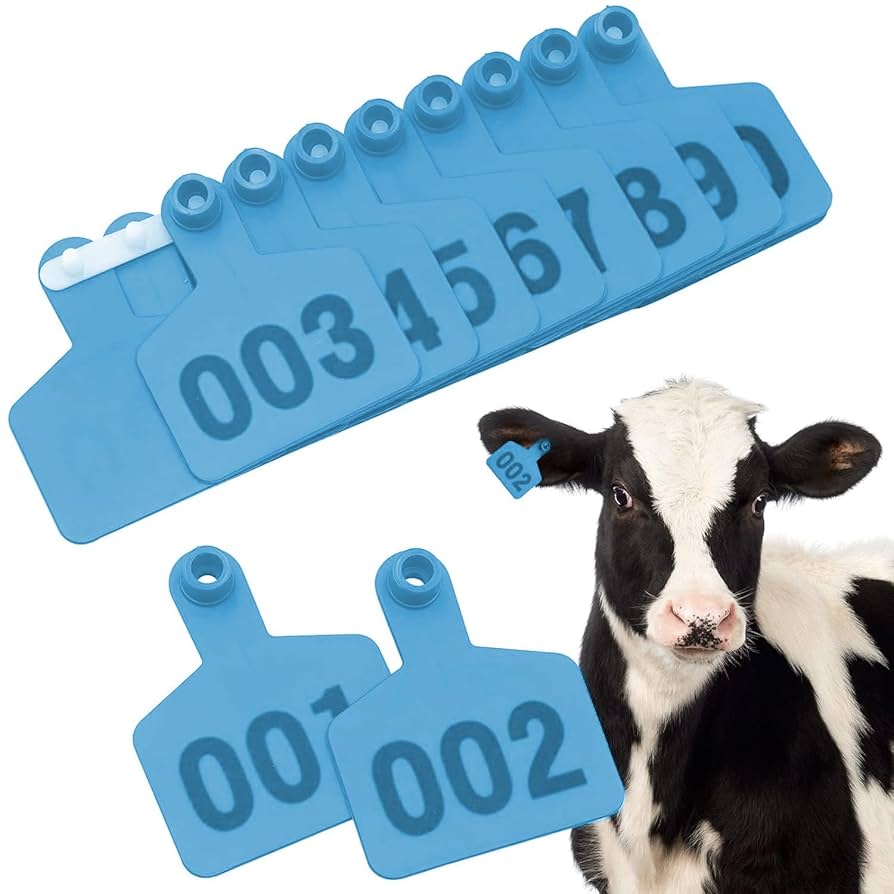
Different ear tags serve different purposes. Plastic ear tags are the most common. They are light, durable, and available in different sizes. Large tags are used for adult cattle for easy visibility. Smaller tags are used for calves. Some tags have printed numbers. Others are blank so farmers can write their own codes. Some farmers use electronic ear tags which can store digital information, but these are more expensive.
TOOLS NEEDED FOR EAR TAGGING
To tag cattle, you need ear tags, an ear tag applicator, disinfectant, permanent markers, and a record book. The applicator is used to pierce the ear and attach the tag. Disinfectant prevents infection. The marker is used to write numbers clearly if the tag is blank.
HOW TO APPLY EAR TAGS STEP BY STEP
Begin by restraining the animal safely to avoid injury. Clean the ear using disinfectant. The correct tagging position is between the two cartilage ribs on the ear flap. This area is soft and less painful. Load the ear tag into the applicator.
Align the applicator with the correct position on the ear and squeeze firmly. Make sure the tag locks properly. Check that the tag is not too tight or too loose. After tagging, apply disinfectant again to prevent infections.
HOW TO NUMBER AND IDENTIFY CATTLE USING EAR TAGS
Every animal should have a unique number. Many Kenyan farmers use simple numbering systems such as one hundred one for the first calf born in the year, one hundred two for the second, and so on. Others use codes such as F1 for first female, M1 for first male calf, or use the initials of the farm. Choose a system that is easy to understand and maintain. Write numbers clearly using a waterproof marker if the tag is blank.
THE ROLE OF RECORD KEEPING IN CATTLE MANAGEMENT
Good record keeping helps farmers make smart decisions. Records help track growth, milk production, reproduction, health treatment, feeding patterns, and costs. This makes it easier to identify high performing animals and cull those that are unproductive. Good records also help farmers know when cows are due for calving, vaccination, deworming, or breeding. Without records, important details are forgotten, leading to losses.
IMPORTANT RECORDS EVERY KENYAN CATTLE FARMER SHOULD KEEP
Farmers should keep identification records which include tag number, name of animal, sex, date of birth, breed, and parent information. Health records include vaccinations, deworming dates, sickness history, and treatments. Production records include daily or monthly milk yields. Breeding records include heat dates, insemination dates, bull used, pregnancy test results, and calving history. Feeding records include type of feed, amounts given, and supplement schedules. Financial records include income and expenses.
HOW TO ORGANIZE FARM RECORDS
Farmers can use a notebook, printed record sheets, or digital farm management apps. The simplest method is a record book where each animal has its own page with its tag number at the top. Farmers with larger herds use spreadsheets or livestock software. Choose a method you can update regularly. Consistency is more important than the type of system used.
BENEFITS OF COMBINING EAR TAGS WITH PROPER RECORD KEEPING
Ear tags alone do not improve farm performance, but when combined with proper records, they help farmers monitor and improve productivity. For example, a farmer can track how much milk each cow produces and identify the best cows to keep for breeding. Records also help identify sick animals faster. When selling animals, proper documentation increases buyer confidence and may lead to better prices.
COMMON MISTAKES FARMERS SHOULD AVOID
Some farmers do not disinfect the ear before tagging, leading to infections. Others use poor quality tags that fall off. Some do not lock tags properly. Others fail to update records regularly. These mistakes lead to confusion and reduce the value of the tagging system. Always check tags regularly to ensure none are missing.
TIPS FOR SUCCESSFUL EAR TAGGING AND RECORD KEEPING
Use strong, durable tags suitable for Kenyan weather.
Write tag numbers clearly.
Record any new information immediately.
Store record books in a dry, safe place.
Check tagged ears for signs of infection after tagging.
Replace lost or damaged tags quickly.
CONCLUSION
Knowing how to use ear tags and record keeping for cattle Kenya is important for both small and large livestock farmers. Good tagging and identification create order in the herd, reduce losses, and make it easier to manage breeding, feeding, and health programmes.
Combined with accurate and consistent records, ear tagging becomes a powerful tool that improves productivity and farm profitability. If you follow these steps and maintain clean and clear records, your cattle enterprise will grow stronger and more efficient.