How to Use Pig Restrainers Safely on a Piggery Farm in Kenya
Using pig restrainers safely is one of the most important skills for any pig farmer in Kenya. Proper restraint ensures the safety of the farmer, prevents injuries to livestock, and makes tasks such as treatment, vaccination, tagging, and weighing much easier. Without the right handling techniques, pigs can become stressed or aggressive, which increases the risk of accidents. This practical guide explains how to use pig restrainers correctly and safely on a small or large piggery farm in Kenya.
Understanding the Role of Pig Restrainers
Pig restrainers are tools used to control pigs during handling. They help farmers keep pigs steady during procedures such as injections, deworming, hoof trimming, wound care, or transportation. Pigs are naturally strong and may resist handling, especially when stressed. A restrainer limits movement and reduces the risk of injury to both the animal and the handler.
Types of Pig Restrainers Used in Kenya
Farmers in Kenya commonly use several types of restrainers depending on the pig’s size and the task:
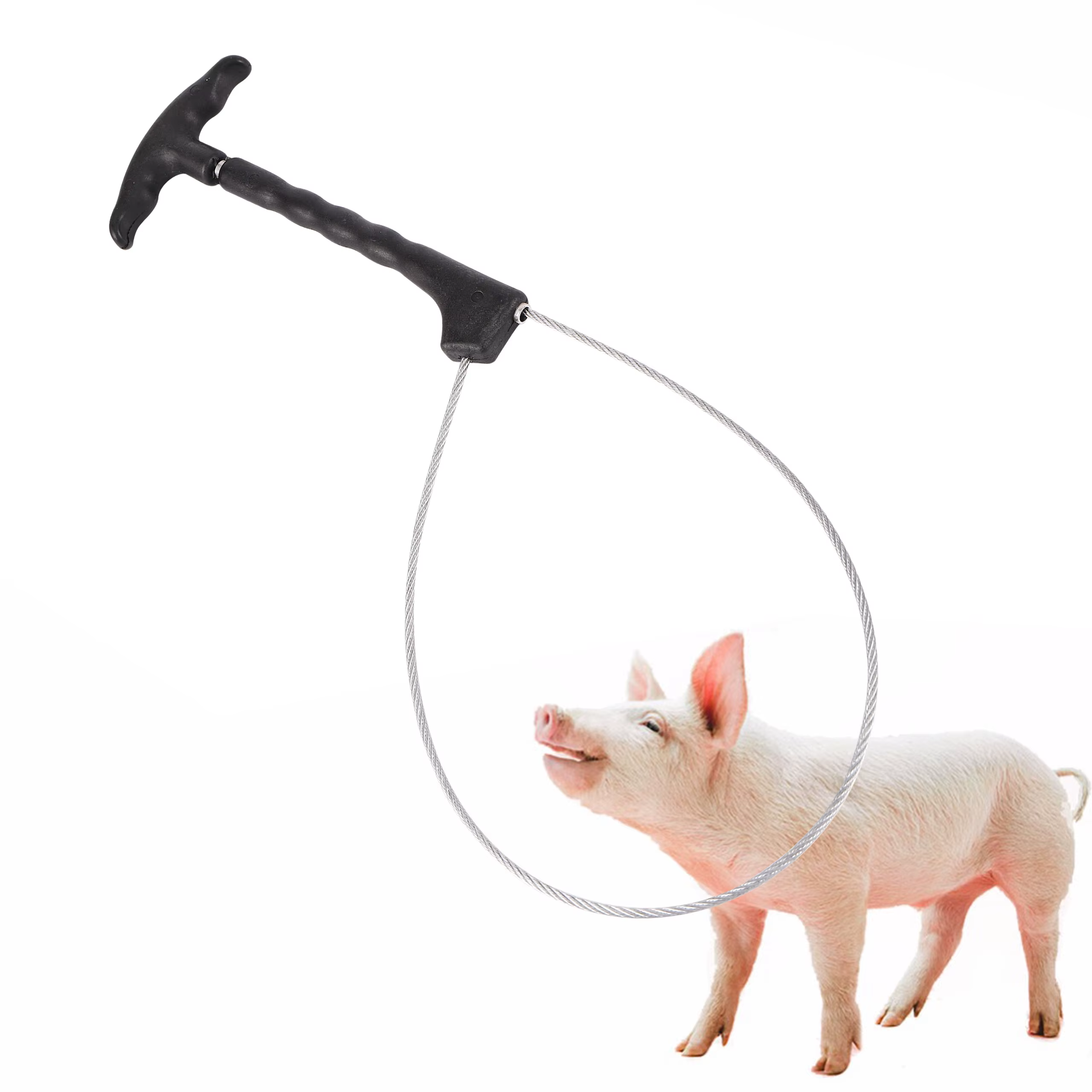
Pig Snare or Hog Snare: Used to restrain medium to large pigs during medical treatments.
Pig Boards: Plastic or wooden boards used to block and guide pigs.
Pig Traps or Restraint Crates: Used for weighing or treatment of larger pigs.
Pig Ropes or Loops: Used for smaller pigs when performing quick procedures.
Each tool serves a different purpose, so choose one that matches the pig’s size and the task you need to complete.
Preparing Before Restraining a Pig
Good preparation prevents injuries and makes the process smoother. Before using any restraining tool, follow these steps:
Ensure the area is clean, dry, and free of obstacles.
Wear protective boots, gloves, and overalls.
Have all your tools ready, including syringes, medicines, or disinfectants.
Work with at least one helper when restraining large pigs.
Stay calm to avoid stressing the animal.
A well-prepared environment reduces stress for both the pig and the handler.
Step-by-Step Guide: How to Use a Pig Snare Safely
A pig snare is one of the most common restraining tools used by farmers in Kenya. To use it safely:
Stand calmly near the pig and avoid sudden movements.
Place the loop around the pig’s upper jaw, just behind the canine teeth.
Pull the snare gently but firmly to tighten the loop.
Hold the handle securely and keep the snare taut.
Perform the procedure quickly to reduce stress.
Release the pig slowly after finishing.
Avoid pulling too hard or holding the snare for too long, as this can injure the pig.
Using Pig Boards for Safe Handling
Pig boards are useful when guiding pigs into pens, ramps, or crates. They allow handlers to control movement without touching the pig directly.
To use a pig board:
Hold the board in front of you as a barrier.
Move slowly and guide the pig toward the desired direction.
Maintain a safe distance to prevent the pig from escaping around the board.
Use gentle pressure rather than force.
Pig boards reduce stress and work well when moving pigs between pens.
Using Restraint Crates for Large Pigs
Restraint crates are ideal for heavy pigs during treatment or weighing. They prevent pigs from moving and protect handlers from injury. To use a crate properly:
Guide the pig into the crate using a board.
Close the gate securely.
Ensure the pig is comfortable and not stuck.
Perform the procedure quickly and release the pig once done.
Crates make work safer, especially during vaccinations or hoof care.
Understanding Pig Behavior
Safe restraining depends on understanding how pigs behave. Pigs are intelligent animals and react quickly to stress. Keep these behavioral tips in mind:
Pigs move away from pressure.
Loud noises increase anxiety.
Calm, slow handling reduces resistance.
Pigs remember negative experiences, so gentle handling is important.
Recognizing normal and abnormal behavior makes restraint safer and easier.
Safety Tips for Farmers
Always prioritize safety when restraining pigs. Follow these guidelines:
Never attempt to restrain a large pig alone.
Keep children and untrained workers away during handling.
Avoid tying pigs by the legs, as this can break bones.
Do not drag pigs by their ears or tails.
Use proper tools instead of improvising with dangerous methods.
Safe handling protects both the farmer and the pigs.
Maintaining Pig Restraining Equipment
Well-maintained equipment ensures effective and humane restraint. Clean snares, boards, and crates after every use. Check for breakages and replace worn-out equipment. Proper maintenance prevents injuries and improves hygiene in the piggery.
Biosecurity and Hygiene
Handling pigs exposes farmers to diseases. Always follow good biosecurity practices:
Wash hands before and after handling pigs.
Disinfect tools after use.
Limit access to the piggery to reduce disease spread.
Quarantine new pigs before mixing them with the herd.
Good hygiene keeps the farm healthy and reduces veterinary costs.
Record Keeping
Record any procedures performed, including vaccinations, treatments, and injuries. Proper records help monitor pig health and plan future management. Good record keeping also improves farm efficiency and profitability.
Conclusion
Using pig restrainers safely on a piggery farm in Kenya ensures better animal welfare, protects farmers from injuries, and makes routine farm tasks easier. By choosing the right equipment, preparing properly, and using calm handling techniques, farmers can manage pigs effectively from weaning to finishing. Consistency, safety, and gentleness are the keys to successful pig handling on any Kenyan farm.