
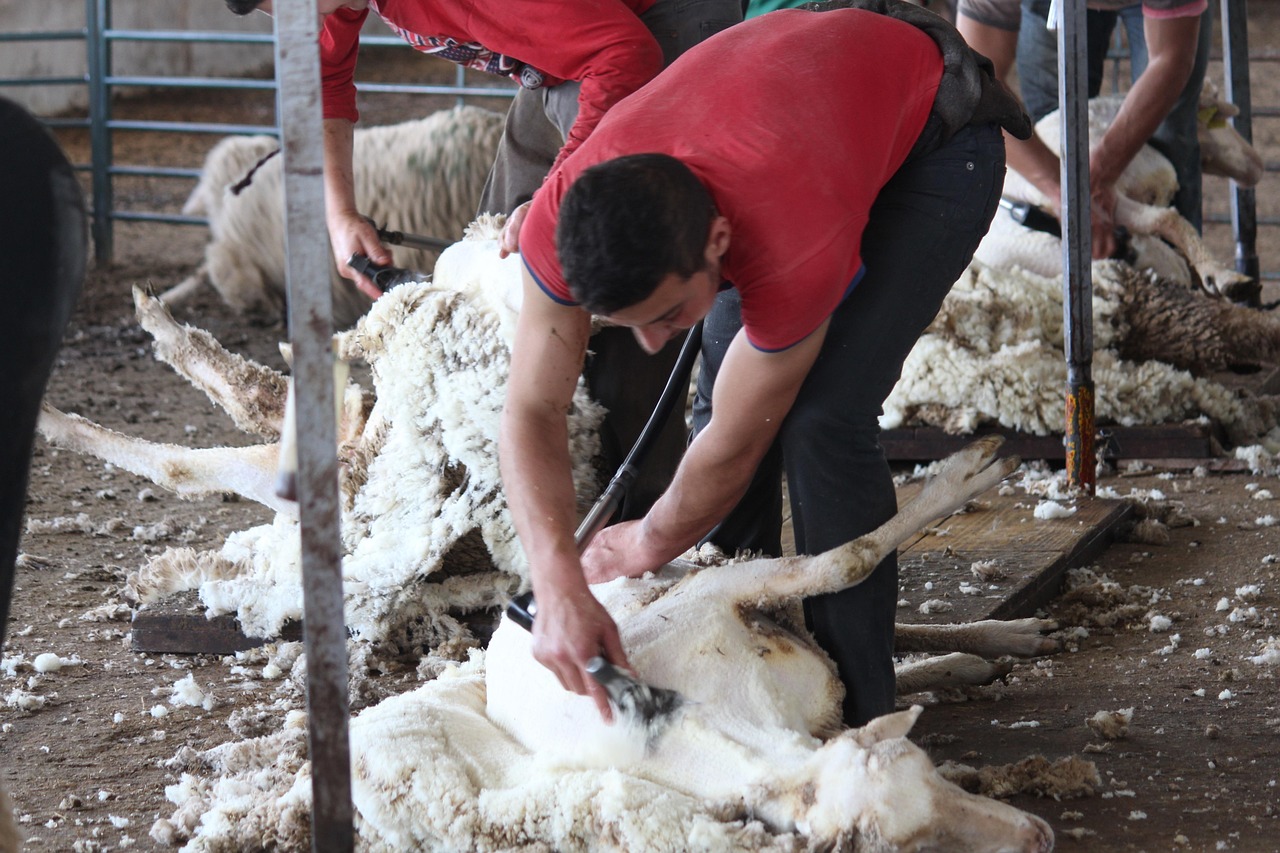
How to Use Wool Shears Safely on Sheep and Goats: A Complete Guide for Kenyan Farmers
Sheep and goat farming in Kenya is a profitable venture, especially when farmers understand the importance of proper animal care and wool harvesting. Using wool shears safely is essential to ensure you collect quality wool without injuring your livestock. This guide provides step-by-step instructions, safety tips, and best practices for Kenyan farmers.
Why Safe Wool Shearing Matters
Improper shearing can lead to:
* Cuts and injuries to sheep or goats
* Stress or shock in animals
* Reduced wool quality and market value
By mastering safe shearing techniques, farmers protect their livestock and maximize profits. Wool shears, whether manual or electric, require skill and patience.
Tools You Need for Safe Wool Shearing
Before starting, ensure you have the right equipment:
1. Wool Shears – Manual or electric, sharp and clean
2. Shearing Stand or Table – Keeps animals stable during shearing
3. Protective Gloves – Protects hands from cuts
4. Clean Cloth or Towels – For wiping blades and calming animals
5. First Aid Kit – For treating minor cuts immediately
Tip for Kenyan farmers: Choose locally available wool shears from reputable suppliers like Mkulima Jovial to ensure durability and comfort during prolonged shearing sessions.
Preparing Sheep and Goats for Shearing
Proper preparation reduces stress and prevents injuries:
1. Inspect the Animal – Check for cuts, wounds, or skin diseases. Avoid shearing sick animals
2. Clean the Fleece – Remove dirt, burrs, and debris to prevent blade damage
3. Calm the Animal – Speak softly and handle gently. A stressed sheep or goat can be unpredictable
4. Secure the Animal – Place it on a stable surface or hold it gently but firmly to minimize movement
Step-by-Step Guide to Safe Shearing
1. Hold the Shears Correctly
* Keep a firm grip but avoid excessive pressure
* Use smooth, controlled movements to prevent slipping
2. Start from the Neck
* Begin at the neck and work down the body
* Shear in long, even strokes to reduce time and stress
3. Avoid Sensitive Areas
* Take extra care around the legs, belly, and head
* Consider shearing these areas last when the animal is calmer
4. Work Methodically
* Shear one side of the body before moving to the other
* Maintain a consistent rhythm to minimize cuts and injuries
5. Clean Blades Regularly
* Wipe wool and dirt off blades frequently
* Sharpen blades if they become dull to prevent tugging the wool
Safety Tips for Kenyan Farmers
* Never rush shearing. Patience prevents accidents
* Shear during cool hours (morning or evening) to prevent heat stress
* Keep animals calm with minimal noise and gentle handling
* Always check shears for damage before use
After Shearing Care
* Inspect the animal for cuts or irritation. Apply antiseptic if needed
* Provide water and feed to help animals recover from stress
* Store wool properly to maintain quality for sale or use
Common Mistakes to Avoid
* Using dull shears that pull hair and injure skin
* Shearing without cleaning debris from fleece
* Handling animals roughly, which can lead to panic and injuries
* Ignoring animal health before shearing
Conclusion
Shearing sheep and goats safely is crucial for Kenyan farmers who want to maintain healthy livestock and high-quality wool. With the right tools, proper preparation, and careful technique, shearing can be efficient, stress-free, and profitable. By following this guide, farmers can minimize injuries, protect their animals, and boost their farm income.
Ahaa, its good discussion on the topic of this article at this place at this webpage, I have read all that, so at this time me also commenting at this place.