
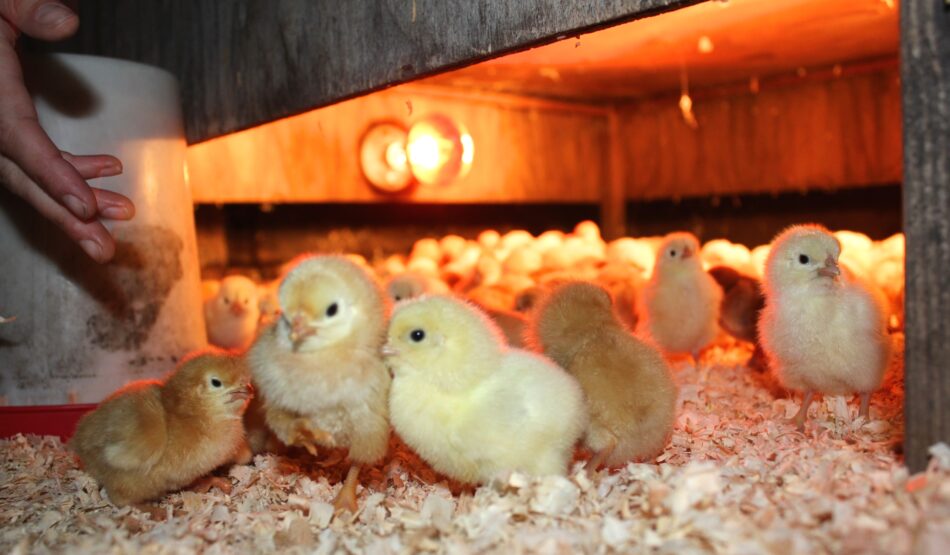
Importance of Brooding Temperature for Chicks in Kenya
The first few weeks of a chick’s life are the most critical in poultry farming. One of the main factors that determine their survival and growth is brooding temperature.
In Kenya, many small- and medium-scale poultry farmers lose chicks because they do not maintain the right temperature in the brooding area. Proper brooding temperature ensures chicks grow healthy, reduces mortality, prevents disease, and sets the foundation for profitable poultry farming.
What is brooding temperature?
Brooding temperature is the warmth provided to chicks during the early stages of life, typically the first 3–6 weeks.
Chicks are unable to regulate their body temperature at this stage, so they rely entirely on external heat sources. Maintaining the correct temperature is crucial to reduce stress and encourage normal feeding and drinking behavior.
Recommended brooding temperatures for chicks
The ideal brooding temperature changes as chicks grow:
-
Day-old chicks: 32–35°C
-
Week 1–2: 30–32°C
-
Week 3–4: 28–30°C
-
Week 5–6: Gradually reduce to ambient temperature
Temperature should be measured at chick level using a thermometer or by observing their behavior.
Why proper temperature is critical
Improper brooding temperature can cause several problems:
-
Too cold: Chicks huddle together, reducing feed intake, slowing growth, and increasing mortality.
-
Too hot: Chicks spread away from the heat source, pant excessively, become dehydrated, and may die.
Maintaining the right temperature ensures chicks are comfortable, eat more, drink regularly, and develop properly.
Common heat sources for brooding in Kenya
Several brooding methods are used by Kenyan poultry farmers:
-
Bulb brooders: Electric bulbs provide heat in a controlled area. Ideal for small flocks.
-
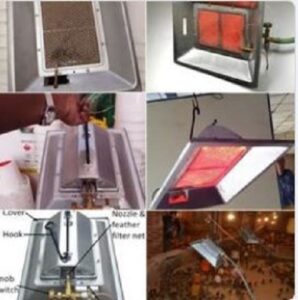
Gas brooders: Provide consistent heat for larger flocks and are more efficient than bulbs.
-
Charcoal brooders: Often used in rural areas where electricity or gas is unavailable.
Each method has advantages and challenges. Gas brooders are preferred for larger commercial flocks due to even heat distribution and lower risk of fire.
Setting up the brooding area
-
Prepare a clean and disinfected area before chicks arrive.
-
Spread dry litter such as wood shavings to insulate chicks from cold floors.
-
Install the heat source in the center or a designated brooding area.
-
Provide a small fence or divider to contain chicks during the first week, ensuring they stay close to the heat source.
Proper setup ensures chicks remain at the correct temperature, reducing stress and disease.
Monitoring chicks’ behavior for temperature adjustment
Chick behavior is a reliable indicator of temperature:
-
Huddling together under the heat source: Too cold
-
Spreading away from heat source or panting: Too hot
-
Even distribution, relaxed and active: Ideal temperature
Farmers should adjust the brooder height, gas flame, or bulb wattage based on these observations.
Effect of brooding temperature on feed and water intake
Correct temperature encourages chicks to feed and drink properly.
-
Too cold: Chicks focus on staying warm instead of eating or drinking. This slows growth.
-
Too hot: Chicks may drink excessively but reduce feed intake, affecting weight gain.
Using proper feeders and drinkers in combination with optimal brooding temperature maximizes growth in broilers and ensures healthy layers.
Reducing disease through proper brooding temperature
Temperature stress weakens chicks’ immune systems, making them more susceptible to diseases such as:
-
Coccidiosis
-
Newcastle disease
-
Respiratory infections
Maintaining the correct brooding temperature, along with clean litter and proper drinkers, significantly reduces disease incidence.
Adjusting temperature as chicks grow
As chicks grow, gradually reduce heat to acclimatize them to ambient conditions.
-
Lower the brooder gradually each week.
-
Remove fencing in stages to allow chicks to explore more space.
-
Ensure ambient temperature in the poultry house remains comfortable (22–28°C for older chicks).
Gradual adjustment prevents stress and supports healthy growth.
Common mistakes farmers make with brooding temperature
-
Using a single heat source for too many chicks, causing uneven temperature.
-
Not monitoring chick behavior regularly.
-
Reducing heat too quickly or leaving heat too long, causing stress.
-
Poor ventilation causing temperature fluctuations and humidity buildup.
Avoiding these mistakes ensures chicks remain healthy and grow at the right rate.
Practical tips for Kenyan poultry farmers
-
Use a thermometer at chick level to monitor temperature accurately.
-
Place feeders and drinkers near but not under the brooder.
-
Keep litter dry to support insulation.
-
Combine proper brooding with vaccination schedules to reduce early disease risk.
-
Consider gas brooders from Mkulima Jovial for consistent and safe heat for larger flocks.
Benefits of maintaining correct brooding temperature
-
Reduced chick mortality
-
Improved growth rates
-
Higher feed conversion efficiency
-
Lower disease incidence
-
Healthy, strong layers ready for egg production
Proper brooding sets the stage for a productive poultry farm in Kenya.
Conclusion on Importance of Brooding Temperature for Chicks in Kenya
Brooding temperature is one of the most critical factors for the first 3–6 weeks of chick life. Correct temperature, combined with clean feeders, proper drinkers, dry litter, and vaccination, reduces mortality, prevents disease, and improves growth.
Kenyan poultry farmers who monitor and maintain proper brooding temperature see healthier flocks, better feed efficiency, and higher profitability.