Introduction
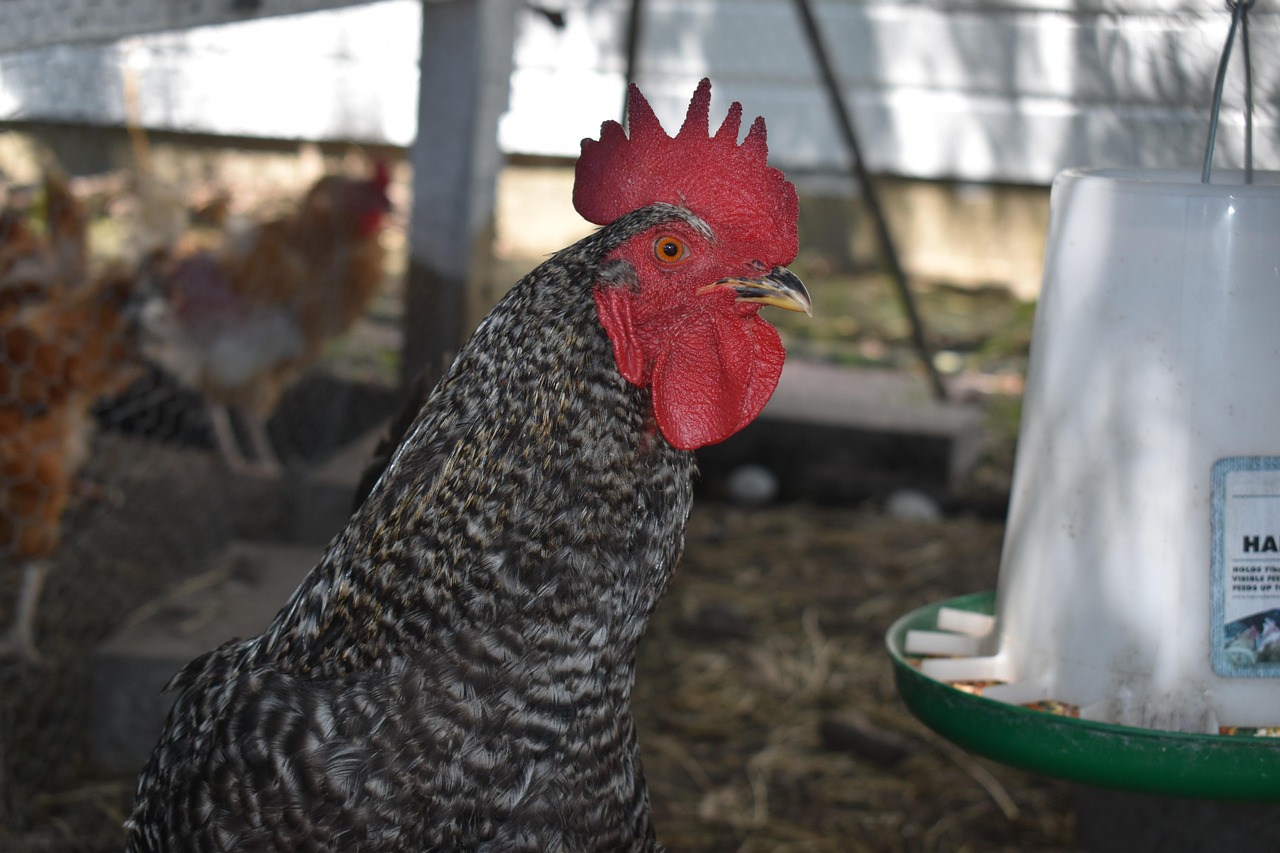
Feeding equipment plays a major role in successful poultry farming. Many farmers lose money due to feed wastage, poor hygiene, and uneven feeding caused by using the wrong equipment.
This guide explains the best feeding equipment for chicks, growers, and layers, and how choosing the right equipment improves bird health and farm profitability.
Why proper feeding equipment is important
Feed is the largest cost in poultry farming. When feeding equipment is poor, feed is spilled, contaminated, or eaten unevenly.
Proper feeding equipment helps reduce wastage, keeps feed clean, and ensures all birds get enough food. This leads to better growth, higher egg production, and lower disease risk.
Feeding equipment needed at different growth stages
Chickens have different feeding needs at different stages of growth. Using the same equipment throughout often causes problems.
Chicks, growers, and layers each require feeding equipment suited to their size and feeding behavior.
Best feeding equipment for chicks
Chicks are small and delicate. Feeding equipment for chicks should be easy to access and safe.
Shallow chick feeders are best during the first weeks. They allow chicks to reach feed easily without stepping into it.
Feeders should be placed on a flat surface and adjusted as chicks grow. Overfilling feeders causes wastage and should be avoided.
Clean chicken feeders and drinkers are essential during this stage to support fast and healthy growth.
Best feeding equipment for growers
Growers are more active and consume more feed. Feeding equipment for growers must be stronger and larger.
Hanging feeders are commonly used at this stage. They reduce contamination and make it harder for birds to spill feed.
Feeders should be raised to the level of the birds’ backs to reduce scratching and wastage. Regular adjustment is important as birds grow.
Best feeding equipment for layers
Layers require consistent and uninterrupted access to feed for egg production.
Long trough feeders or large hanging feeders are suitable for layers. These allow many birds to feed at the same time, reducing competition.
Feeders should be evenly distributed throughout the poultry house to ensure uniform feeding.
For layer farmers, proper feeding equipment works together with egg trays to maintain productivity and reduce egg losses.
Importance of drinkers alongside feeders
Feeding equipment works best when paired with proper drinkers.
Chick drinkers should be shallow to prevent drowning. Growers and layers require larger drinkers that supply enough clean water throughout the day.
Clean drinkers prevent disease and support feed digestion. Dirty water reduces feed intake and affects growth and egg production.
Using good-quality chicken feeders and drinkers improves overall farm efficiency.
Choosing the right material for feeding equipment
Feeding equipment is available in plastic and metal materials.
Plastic feeders are lightweight, affordable, and easy to clean. Metal feeders are more durable and suitable for larger flocks.
Choose equipment that is easy to wash, does not rust, and lasts long under farm conditions.
Correct placement of feeding equipment
Even the best feeding equipment fails if placed incorrectly.
Feeders should be evenly spaced to avoid overcrowding. Too many birds sharing one feeder leads to stress and uneven growth.
Feeders should never be placed directly under drinkers to prevent wet feed and spoilage.
Cleaning and maintenance of feeding equipment
Feeding equipment must be cleaned regularly.
Old feed should be removed before adding new feed. Feeders should be washed and dried to prevent mold and bacteria growth.
Regular cleaning improves bird health and reduces disease outbreaks.
Common feeding equipment mistakes farmers make
Many farmers overfill feeders, leading to excessive wastage.
Others use the same feeder size from chick stage to maturity, which causes spillage and uneven feeding.
Ignoring cleaning schedules also leads to disease problems.
Avoiding these mistakes saves feed and money.
Cost considerations for feeding equipment
Quality feeding equipment is an investment.
Cheap equipment often breaks easily and increases feed loss. Good-quality feeders and drinkers last longer and reduce recurring costs.
Farmers should balance affordability with durability and efficiency.
Conclusion
Choosing the best feeding equipment for chicks, growers, and layers is essential for successful poultry farming.
Proper feeders and drinkers reduce feed wastage, improve hygiene, and support healthy growth and egg production.
By investing in age-appropriate feeding equipment and maintaining it well, poultry farmers in Kenya can improve productivity and profitability.