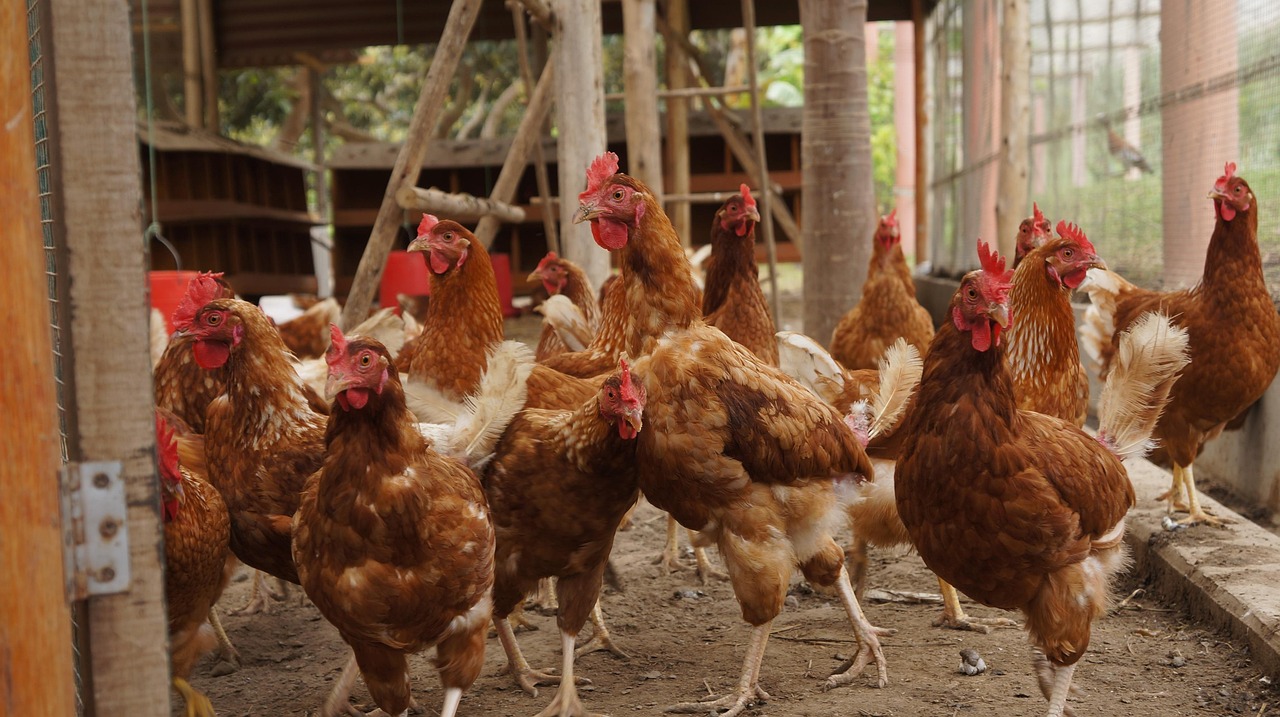
Layer Farming Guide for Farmers in Nairobi County
Layer farming is one of the most reliable agribusiness ventures in Nairobi County due to the constant demand for eggs. Hotels, restaurants, supermarkets, schools, and households consume eggs daily. Because of this steady market, many farmers in Nairobi are turning to layer farming as a source of regular income.
However, success in layer farming depends on proper planning, correct equipment, good management, and understanding local conditions. This guide explains everything Nairobi County farmers need to know to start and manage a profitable layer farm.
Why layer farming is suitable for Nairobi County
Nairobi County offers several advantages for layer farming:
Large and consistent egg market
Easy access to poultry feeds and veterinary services
Availability of poultry equipment suppliers
Good road networks for egg distribution
Despite limited land space in some areas, layer farming can be done efficiently using well-designed poultry houses and proper stocking density.
Choosing the right location in Nairobi County
Location plays a major role in layer farming success.
When selecting a site:
Choose a quiet area away from heavy traffic
Ensure proper drainage to avoid water stagnation
Avoid overcrowded residential areas to reduce complaints
Ensure access to clean water and electricity
Common layer farming areas in Nairobi include:
Ruai
Kamulu
Njiru
Kasarani outskirts
Embakasi outskirts
Urban farmers can also keep layers in controlled backyard systems if biosecurity is maintained.
Housing requirements for layers
A good poultry house protects birds from weather, predators, and disease.
Key housing requirements:
Proper ventilation for fresh air
Adequate lighting for egg production
Strong roofing to prevent leaks
Easy-to-clean floors
Space requirement
3–4 birds per square meter for deep litter system
Overcrowding reduces egg production and increases disease
Use materials such as timber, iron sheets, wire mesh, and concrete floors for durability.
Choosing the right layer breed
The choice of breed affects egg production and profitability.
Common layer breeds in Kenya include:
Isa Brown – high egg production and hardy
Lohmann Brown – efficient feed conversion
Hy-Line Brown – consistent egg layers
Buy chicks or pullets from reputable hatcheries to avoid poor performance and high mortality.
Feeding management for layers
Feed quality and consistency directly affect egg size, shell strength, and production rate.
Types of feed
Chick mash (0–8 weeks)
Grower mash (8–18 weeks)
Layer mash (from 18 weeks onward)
Layers must always have:
Clean drinking water
Balanced feed with calcium for strong eggshells
Feed accounts for the largest cost in layer farming, so wastage must be minimized using proper feeders.
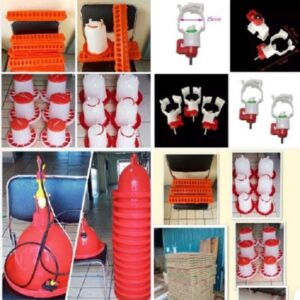
Importance of proper feeders and drinkers
Good feeding and watering equipment improves efficiency and hygiene.
Benefits of proper feeders and drinkers:
Reduces feed and water wastage
Prevents contamination
Ensures uniform feeding
Farmers in Nairobi County should use:
Chick feeders for young birds
Trough or round feeders for adults
Clean drinkers placed at bird height
Quality chicken feeders and drinkers support steady egg production and reduce costs.
Lighting management for egg production
Layers require adequate light to stimulate egg laying.
Lighting guidelines:
14–16 hours of light per day for laying birds
Use artificial lighting in early mornings or evenings
Maintain consistent lighting schedules
Irregular lighting can cause stress and reduced egg output.
Health management and vaccination
Disease control is critical in Nairobi due to high poultry density.
Common poultry diseases include:
Newcastle disease
Gumboro
Fowl pox
Coccidiosis
Health management practices:
Follow a proper vaccination schedule
Maintain clean housing
Use footbaths at entry points
Isolate sick birds immediately
Healthy birds lay more eggs and live longer.
Egg handling and storage
Proper egg handling prevents losses and maintains quality.
Best practices:
Collect eggs at least twice daily
Use clean egg trays for storage
Store eggs in a cool, dry place
Avoid washing eggs unless necessary
Plastic egg trays are recommended because they are durable and easy to clean.
Equipment needed for layer farming
Essential layer farming equipment includes:
Feeders
Drinkers
Egg trays
Cleaning and disinfecting tools
Reliable suppliers such as Mkulima Jovial provide poultry equipment suitable for Nairobi farming conditions.
Cost considerations for layer farming in Nairobi
Startup costs depend on scale.
For a small-scale farm (100 layers), costs include:
Housing construction
Day-old chicks or point-of-lay pullets
Feed
Equipment
Vaccination and medication
Although initial costs may be high, layers generate income for over one year, making them a long-term investment.
Marketing eggs in Nairobi County
Nairobi has a ready market for eggs.
Selling options include:
Local shops and kiosks
Hotels and restaurants
Schools and institutions
Direct household sales
Consistent quality, clean eggs, and reliable supply help farmers build loyal customers.
Common mistakes to avoid
Many new farmers fail due to avoidable errors:
Overstocking birds
Using poor-quality feed
Ignoring vaccination schedules
Poor hygiene
Lack of record keeping
Avoiding these mistakes improves productivity and profitability.
Practical tips for success
Start small and scale up gradually
Invest in quality equipment
Keep proper farm records
Monitor birds daily
Seek advice from experienced farmers and veterinarians
Good management is more important than farm size.
Conclusion
Layer farming in Nairobi County is a profitable and sustainable agribusiness when done correctly. With proper housing, quality feed, reliable equipment, and good health management, farmers can enjoy steady egg production and consistent income.
Using durable feeders, drinkers, gas brooders, and egg trays ensures efficiency and reduces losses. With Nairobi’s strong market demand, layer farming remains an excellent opportunity for both new and experienced poultry farmers.