
Quick answer: To fatten bulls for sale in Kenya, buy lean young bulls, house them in a clean pen, feed a balanced ration, deworm and vaccinate them, and weigh them every 2–3 weeks. Fattening takes 90–120 days and bulls can gain 90–150 kg; budget about KSh 40,000–54,000 per bull (bull, feed, vet care) and sell after about 3 months, when returns start to drop.
| Item (per bull) | Estimated cost (KSh) |
|---|---|
| Lean bull | 25,000 – 35,000 |
| Feeding (3 months) | 10,000 – 15,000 |
| Vet care | 1,000 – 2,000 |
| Miscellaneous | 2,000 |
| Total | 40,000 – 54,000 |
Updated 31 October 2026 by the Mkulima Jovial team.
Are you a livestock farmer in Kenya looking to make more money from your bulls? If yes, then you’ve likely heard about bull fattening — the practice of feeding bulls intensively for a short period to achieve fast weight gain before selling. Done right, bull fattening in Kenya can turn underweight cattle into heavy market-ready animals in just 90 to 120 days.
At Mkulima Jovial, we help Kenyan farmers raise and sell healthier, heavier animals using affordable and efficient techniques. Here’s your complete guide to successful bull fattening.
What Is Bull Fattening?
Bull fattening is a short-term, high-efficiency feeding process aimed at increasing the body weight of bulls—usually mature or culled animals—before sale. It’s mostly done by small and medium-scale farmers targeting the meat market, especially during festive seasons or dry periods when meat prices go up.
Why Bull Fattening in Kenya Is Profitable
-
High demand for beef in urban centers and butcheries
-
Quick turnaround time (3–4 months)
-
Higher selling prices for heavier bulls
-
Efficient feed conversion with the right ration
✅ You can earn more by buying lean bulls cheaply, fattening them, and selling at premium weights.
How to Get Started with Bull Fattening in Kenya
1. Select the Right Bulls
Ideal bulls for fattening should:
-
Be aged between 2–5 years
-
Have a good frame (tall, long body, strong legs)
-
Be disease-free and dewormed
-
Come from beef breeds like Boran, Sahiwal, or Zebu crosses
✅ Avoid sick, injured, or old animals.
2. Prepare Proper Housing
Bulls don’t need fancy housing, but the pen should:
-
Be spacious and well-drained
-
Have a strong fence or wall
-
Include a feeding and watering trough
-
Allow for easy cleaning
📌 Each bull should have at least 5–10 square meters of space.
3. Create a Balanced Feed Plan
This is the heart of bull fattening in Kenya.
A good ration includes:
-
Energy sources: maize germ, maize bran, molasses
-
Protein sources: cottonseed cake, sunflower cake, dairy meal
-
Roughage: hay, silage, dry maize stalks
-
Minerals: salt licks or commercial mineral blocks
-
Water: clean and always available
📌 Feed at least twice a day and ensure consistency for faster weight gain.
4. Deworm and Vaccinate
Before fattening begins:
-
Deworm the bull to eliminate internal parasites
-
Spray to control ticks and flies
-
Vaccinate against common diseases like FMD (Foot and Mouth Disease)
✅ A healthy bull fattens faster and converts feed better.
5. Monitor Growth and Adjust
-
Record daily feed intake
-
Weigh the bull every 2–3 weeks
-
Adjust feed portions based on weight and appetite
-
Watch for signs of bloating or illness
📌 Target weight gain: 1.0–1.5 kg per day
How Long Does Bull Fattening Take?
With proper feeding and care, fattening takes about 90 to 120 days. Bulls can gain 90–150 kg in this period depending on the breed, starting weight, and feed quality.
Estimated Cost vs. Returns
| Item | Estimated Cost (KSh) |
|---|---|
| Purchase of lean bull | 25,000 – 35,000 |
| Feeding (3 months) | 10,000 – 15,000 |
| Vet care | 1,000 – 2,000 |
| Miscellaneous | 2,000 |
| Total Cost | 40,000 – 54,000 |
Tips for Successful Bull Fattening
-
Buy bulls during the low season (when prices are low)
-
Fatten for 3 months, not longer—returns reduce afterward
-
Use locally available feeds to cut costs
-
Keep detailed records for each animal
-
Sell when market demand and prices are highest
Mkulima Jovial – Your Partner in Bull Fattening
We provide:
-
Mineral licks and feed additives
-
Veterinary supplies and dewormers
-
Durable feed troughs and waterers
-
Weight charts and feeding guides
-
Free advice for new and experienced farmers
Whether you’re fattening one bull or ten, we’re here to help you grow.
Shop silage bags and cattle equipment
Mkulima Jovial supplies the equipment used in this guide, with free delivery within Nairobi CBD and free drop-off at your courier for countrywide delivery within 24 hours.
-
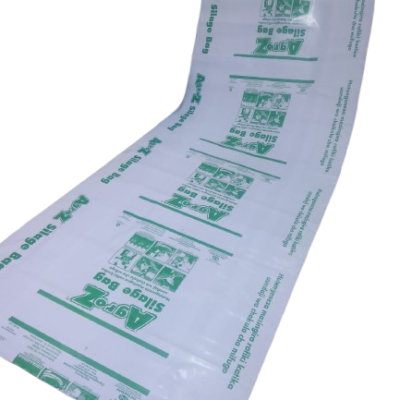
AgroZ Black & White Silage Bags (350–400 kg)
KSh 1,200.00 Add to cart -

Black Silage Tube Roll in Kenya | Gauge 1200 (35kg & 40kg)
Price range: KSh 11,500.00 through KSh 13,000.00 Select options This product has multiple variants. The options may be chosen on the product page -
Sale!

Hermetic Bags for Sale
Original price was: KSh 320.00.KSh 299.00Current price is: KSh 299.00. Order on WhatsApp -
Sale!
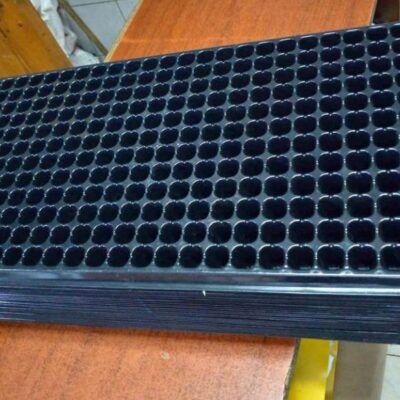
Propagation Seedling Trays
Original price was: KSh 150.00.KSh 120.00Current price is: KSh 120.00. Add to cart
Good info there. I’m gaining interest in bull fattening and if I decide to go for it I’ll seek guidance from you guys.
Regards.
Anthony
I am highly pleased to lean this wise information from you….
want to learn about bull fattening
Quote feed troughs and waterers for steers.
Quote for feed troughs and waterers.
very educative material much interest in beef fattening
Informative and helpful
Thank you
Where are you located? I have two mature bulls , about 2.4 yrs. I wish to deworm and fatten them for sale. Please advise on the steps to take. Am in Muranga
Am interested in bull fattening.step by step on procedures especially feeding regime
I have already done feedlot for around 20 bulls I will contact you once I get fund to buy the bulls.
thank you
I would like more advice.Does climate matter?