
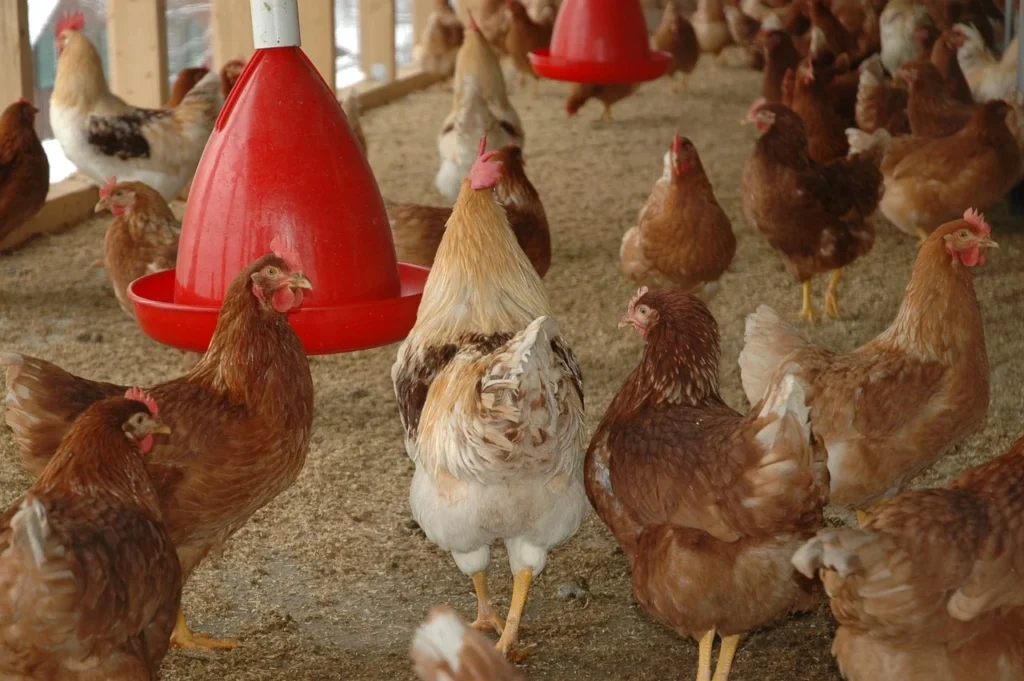
How to Start Poultry Farming in Kiambu County
Poultry farming is one of the fastest-growing agribusinesses in Kenya, and Kiambu County offers excellent opportunities for both broiler and layer farming. With favorable climate, accessible markets, and good road networks, farmers in Kiambu can raise profitable flocks with proper planning and management.
This guide walks you through practical steps to start poultry farming in Kiambu County, from choosing a farm type to selecting equipment and managing chicks.
Understand the types of poultry farming
Before starting, decide which type of poultry farming suits your goals:
-
Broiler farming: Raising chickens for meat. Growth is fast (6–8 weeks) and profitable for local markets.
-
Layer farming: Raising hens for eggs. Layers start laying at 18–20 weeks and provide long-term income.
Choosing the right type depends on your budget, land size, market demand, and long-term business goals.
Assess land and housing requirements
Kiambu County has varied landscapes, so proper farm planning is critical:
-
Land size: Even small plots (0.1–0.5 acres) can support small-scale operations. Larger farms need 1–2 acres or more.
-
Poultry house: Must be secure, well-ventilated, and weatherproof. Avoid low-lying areas prone to flooding.
-
Orientation: Houses should face the prevailing wind direction to reduce draft and maintain comfort.
-
Security: Fencing and predator-proofing prevent losses from dogs, birds, or thieves.
A well-planned housing setup ensures healthy birds and reduces management challenges.
Select the right breeds
Kiambu farmers have access to both broiler and layer breeds:
-
Broilers: Cobb, Ross, Hubbard – fast growth and high meat yield.
-
Layers: Hy-Line, Isa Brown, Lohmann – high egg production.
Purchase day-old chicks from reputable hatcheries to ensure health and disease resistance.
Prepare the poultry house before chicks arrive
Proper preparation is essential to reduce early mortality:
-
Clean and disinfect the house, feeders, and drinkers.
-
Lay dry litter such as wood shavings or rice husks.
-
Set up brooders (gas or bulb) to maintain correct temperature for day-old chicks.
-
Arrange feeders and drinkers to allow easy access for all chicks.
Preparation ensures chicks are comfortable and reduces stress and disease risk.
Choose appropriate feeders and drinkers
Access to clean feed and water is critical for growth:
-
Chick feeders and drinkers: Shallow and easy for chicks to use.
-
Grower and layer equipment: Trough or hanging feeders and nipple drinkers for larger birds.
Using quality feeders and drinkers from Mkulima Jovial helps prevent feed and water contamination, improving survival rates.
Manage brooding and temperature
Proper brooding is crucial in the first 3–6 weeks:
-
Maintain 32–35°C for day-old chicks, reducing gradually to ambient temperature by week 5–6.
-
Monitor chick behavior: huddling means too cold, panting means too hot.
-
Gas brooders are ideal for large flocks, while bulb brooders suit small-scale farmers.
Correct temperature improves growth, reduces disease, and lowers mortality.
Feeding and nutrition management
Nutrition affects growth, immunity, and productivity:
-
Starter feed: For day-old chicks to week 6
-
Grower feed: For broilers or pullets from week 6–12
-
Layer feed: For layers starting at 18–20 weeks
-
Ensure clean feed storage to prevent contamination.
Consistent feeding improves flock performance and reduces losses in Kiambu’s humid climate.
Vaccination and disease control
Disease management is key to profitability:
-
Vaccinate chicks against Newcastle Disease (ND), Gumboro, and Marek’s disease as recommended.
-
Maintain biosecurity: disinfect shoes, limit visitors, isolate sick birds.
-
Regularly clean drinkers, feeders, and litter to prevent bacteria and viral infections.
Healthy birds grow faster, lay more eggs, and have better feed conversion.
Water management
Access to clean water is vital:
-
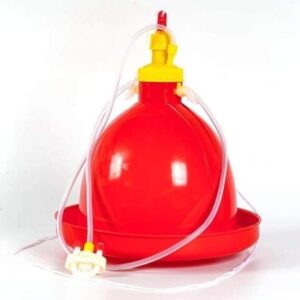
Replace water daily and clean drinkers to prevent contamination.
-
Ensure drinkers are at chick level during brooding and adjust as birds grow.
-
Multiple drinkers prevent crowding and reduce stress.
Water management directly influences growth, egg production, and disease prevention.
Record-keeping and farm monitoring
Proper records help track progress and identify issues early:
-
Feed and water consumption
-
Chick growth rates
-
Egg production
-
Vaccination schedules
-
Mortality rates
Even small farms in Kiambu benefit from digital or manual record-keeping for better decision-making.
Marketing and selling your products
Kiambu County has a high demand for poultry products:
-
Broilers: Sell to local markets, restaurants, or butcheries.
-
Layers: Supply fresh eggs to households, supermarkets, and hotels.
-
Consider value addition like packaging eggs or offering processed chicken cuts.
Strong market access ensures consistent revenue and farm sustainability.
Practical tips for How to start poultry farming in Kiambu County
-
Start small and expand as experience grows.
-
Use reliable equipment: feeders, drinkers, and brooders from Mkulima Jovial.
-
Monitor chicks daily during the first two weeks to reduce mortality.
-
Maintain proper litter, ventilation, and biosecurity.
-
Keep accurate records to track performance and costs.
Following these practices helps Kiambu farmers build profitable, low-risk poultry businesses.
Conclusion
Starting poultry farming in Kiambu County is a profitable venture if you plan carefully, invest in the right equipment, and manage chicks properly.
From choosing the right breed, preparing the poultry house, providing feeders and drinkers, maintaining brooding temperature, to vaccination and record-keeping, every step matters.
With proper management and tools from Mkulima Jovial, you can raise healthy chicks, reduce mortality, and build a sustainable poultry farm in Kiambu County.
SEO Title
How to Start Poultry Farming in Kiambu County: A Practical Guide
Meta Description
Learn how to start poultry farming in Kiambu County, Kenya. Step-by-step guide on housing, feeding, drinkers, brooders, disease control, and equipment for profitable flocks.
Image ALT Text Suggestions
-
Day-old chicks under a brooder in Kiambu County
-
Farmers feeding and watering chickens in Kiambu
-
Poultry housing setup for broilers and layers in Kenya